Media and Journalism Research Center · Technology
Journalism & Web3
Studying blockchain-based tools, the companies behind them and how journalism explains emerging technology.
Explore the projectAbout the project
Technology, ownership and independence
The Journalism and Web3 Project examines the implications of blockchain-based technologies for the news media. It connects questions about media finance and independence with scrutiny of technology providers and the quality of journalism about emerging technologies.
Web3 is an umbrella term for approaches built around blockchains, digital tokens and distributed forms of ownership or governance. The project asks how these approaches are being used in journalism, who controls the services involved and how news coverage helps audiences understand their possibilities and limitations.
Research areas
What we study
The research follows Web3 through newsroom practice, the businesses supplying the technology and the stories that reach the public.
Journalism using Web3
How journalistic initiatives adopt Web3 tools, and what these experiments mean for their finances, long-term sustainability and independence.
ApproachCase studies and analysis of financial reports.
The companies behind the tools
Who owns and finances businesses offering Web3 solutions to media, how stable they are and what their relationships with other organisations reveal.
ApproachAnalysis of corporate records, finances, ownership and affiliations.
News coverage of Web3
How journalism explains Web3: the subjects it prioritises, the sources it draws on and the perspectives that shape public understanding.
ApproachContent analysis of news reporting and its narratives.
From the project
Published research
Global Media Journal – German Edition · 16(1) ·
Peer-reviewed · Open accessReporting Web3: Challenges of Technology Journalism in Serving Informed Publics in Europe
How well does technology journalism equip people to understand emerging technologies? This study assesses mainstream news coverage of Web3 across four European countries, combining content analysis with insights from journalists and editors.
- Germany
- Spain
- The Netherlands
- United Kingdom
Coverage studied: –.
What the study found
Events set the agenda
Coverage centred on individual events, with less attention to explaining the processes behind technological change.
Finance dominated
Cryptocurrencies and other financial applications received much of the attention, narrowing the range of Web3 issues explored.
A limited range of voices
The reporting drew on a relatively narrow set of sources, raising questions about whose perspectives shape technology news.
Methods, authors and citation
Methods. The researchers selected five news outlets in each country. They coded 400 articles, examined 48 stories through qualitative close reading, and conducted 13 interviews with journalists and editors to contextualise the results.
Authors. Katja Leifheit, Judith Pies, Hilde Van den Bulck, Alessandro D’Arma, Marius Dragomir, Minna Horowitz, Marta Rodríguez-Castro and Martín Vaz-Álvarez.
Leifheit, K., Pies, J., Van den Bulck, H., D’Arma, A., Dragomir, M., Horowitz, M., Rodríguez-Castro, M., & Vaz-Álvarez, M. (2026). Reporting Web3: Challenges of Technology Journalism in Serving Informed Publics in Europe. Global Media Journal – German Edition, 16(1). https://doi.org/10.60678/chxj7t92 (opens in a new tab)
The article is available under a Creative Commons Attribution 4.0 licence (opens in a new tab).
Project team
Researchers
The team brings together expertise in journalism, media policy, public service media and digital technologies.
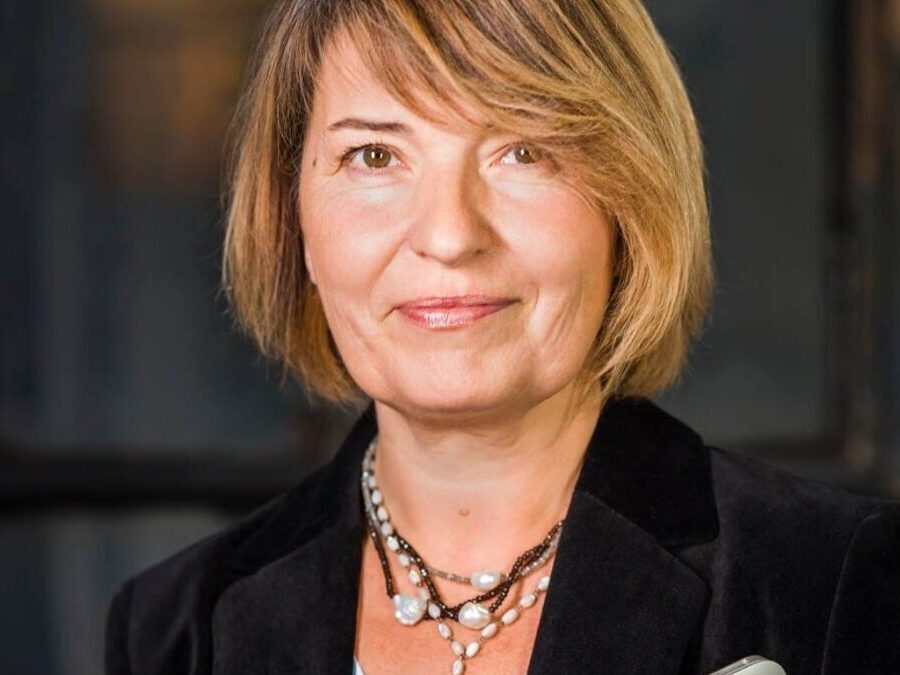
Minna Aslama Horowitz
University of Helsinki
Biography: Minna Aslama Horowitz
Minna Aslama Horowitz is a researcher and instructor at the University of Helsinki and an MJRC Fellow. Her work examines communications policy, media trust and digital governance, including public service media, platform regulation, information disorders and digital information literacy. She coordinates interaction for the Finnish research consortium DECA and is a member of the Nordic Observatory for Digital Media and Information Disorder.
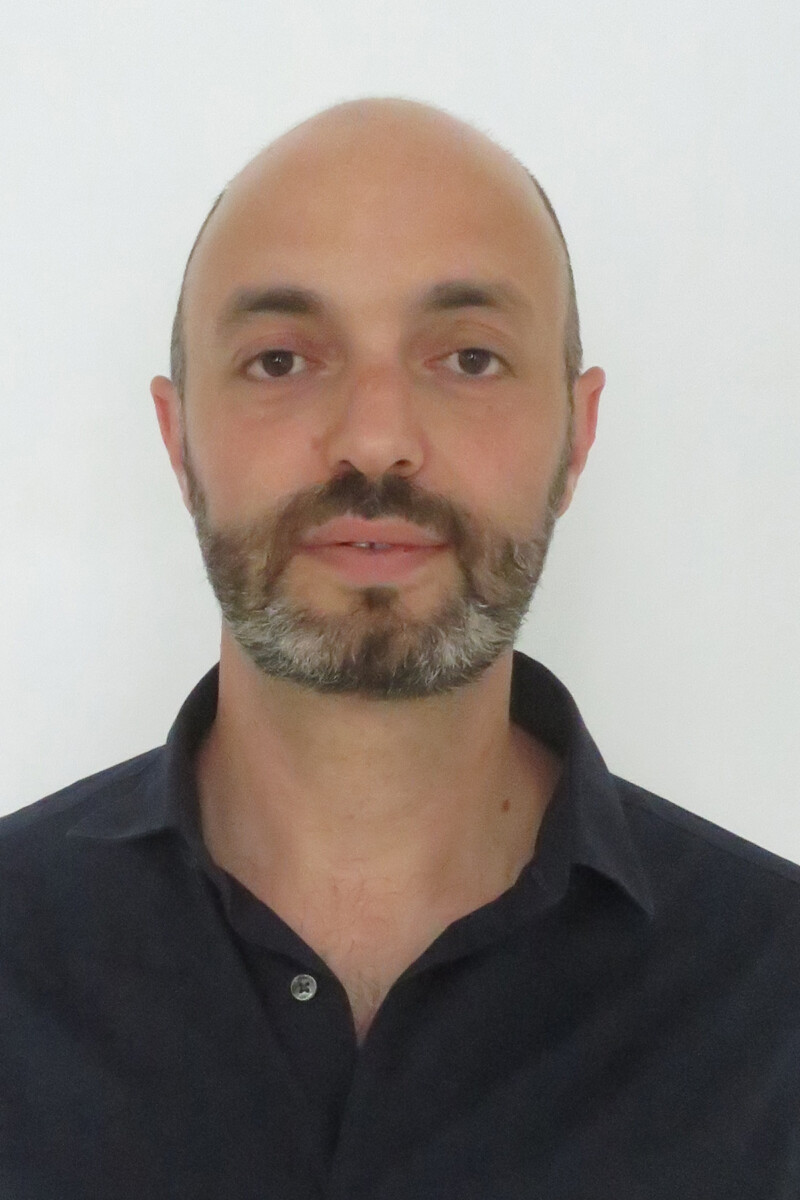
Alessandro D’Arma
University of Westminster
Biography: Alessandro D’Arma
Alessandro D’Arma is a Reader in the School of Media and Communication at the University of Westminster, where he directs the school’s doctoral programme. His research focuses on communications policy, public service media and the politics of media policy. He studies the digital transformation of media industries, including the consequences of the platform economy for media organisations and their sustainability.
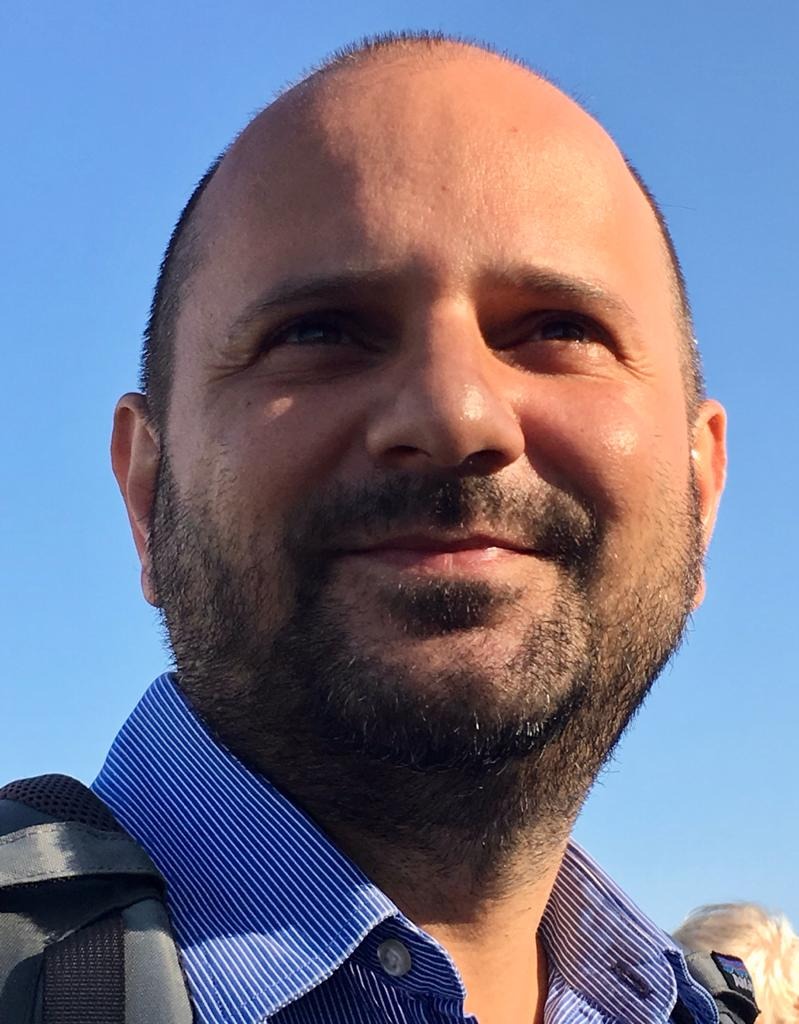
Marius Dragomir
MJRC · University of Santiago de Compostela
Biography: Marius Dragomir
Marius Dragomir is the founding director of the Media and Journalism Research Center and a researcher at the University of Santiago de Compostela. His work focuses on media ownership, regulation, public service media and journalism business models. He led the Center for Media, Data and Society from 2016 to 2022 and previously worked on media research and policy at the Open Society Foundations in London.
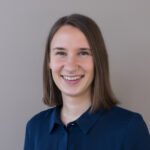
Katja Leifheit
Stuttgart Media University
Biography: Katja Leifheit
Katja Leifheit is a research associate at Stuttgart Media University, where she studied Audiovisual Media and Media Management. Her doctoral research examines the adoption of generative artificial intelligence in the film and television industry. She pursues this work as an external doctoral candidate at the Chair of Innovation Management and Media at Bauhaus-Universität Weimar.
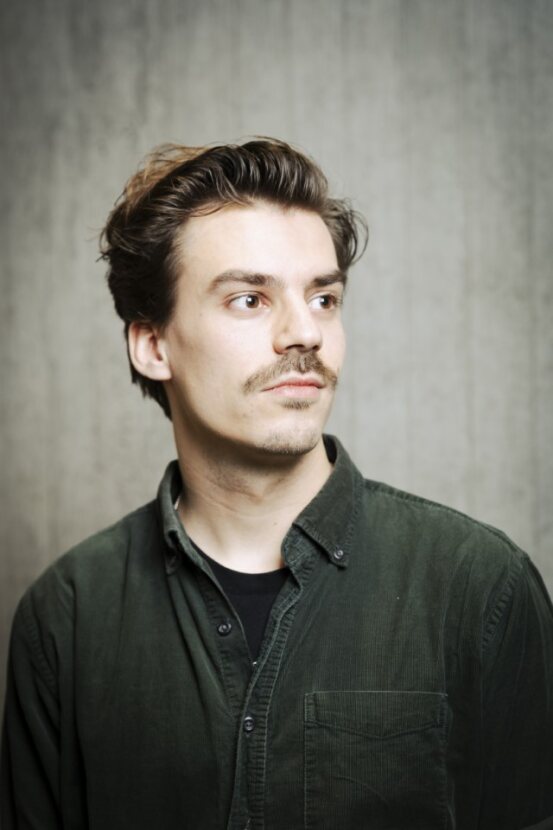
Tim Outshoorn
Fontys School for Journalism
Biography: Tim Outshoorn
Tim Outshoorn is a philosopher and researcher at the Fontys School for Journalism in Tilburg, the Netherlands. His writing has explored queer chosen families and equality in the courtroom. He is part of the Journalism and Web3 research team.
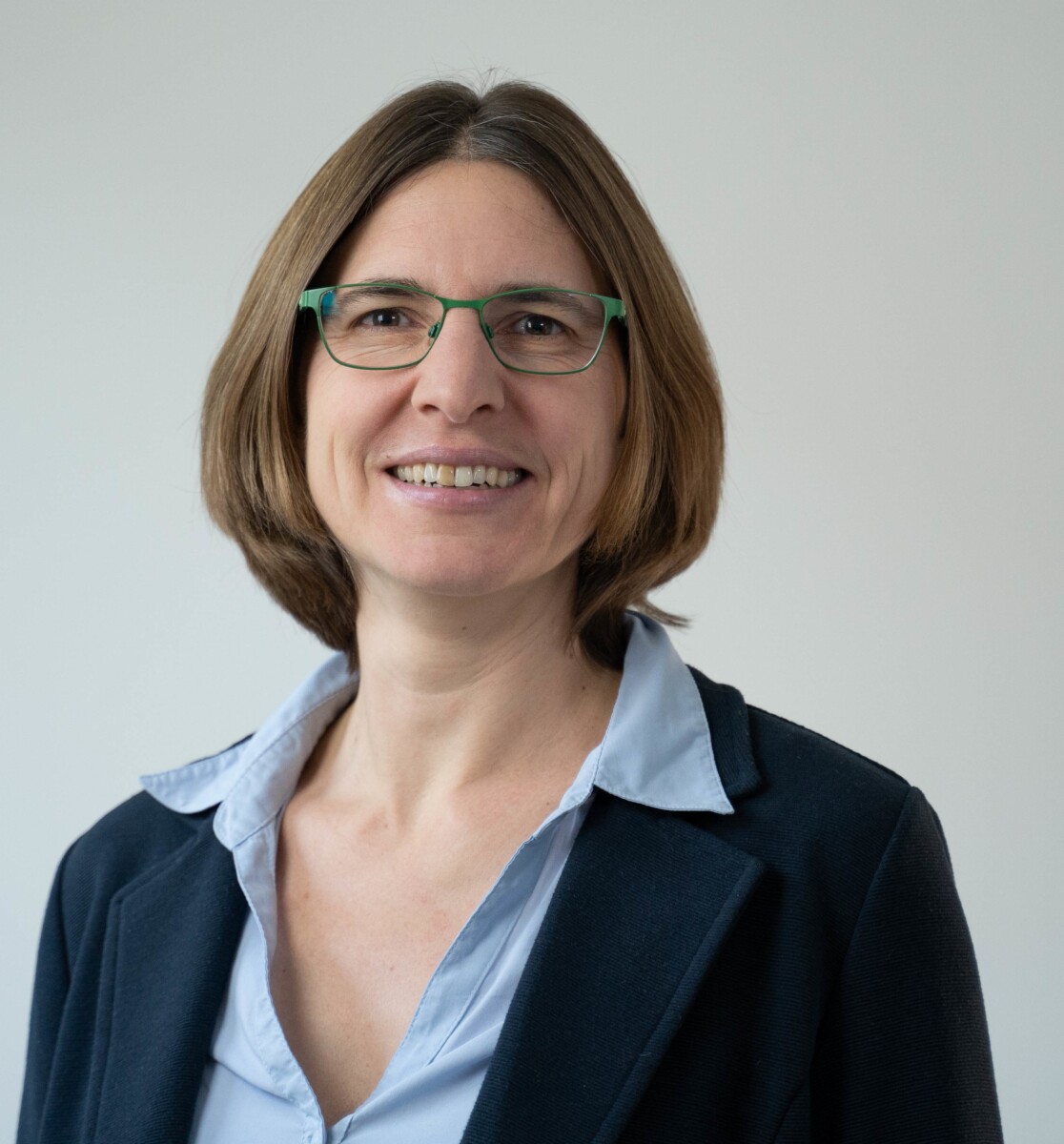
Judith Pies
Stuttgart Media University
Biography: Judith Pies
Judith Pies is a professor of data journalism at Stuttgart Media University and holds a PhD in communication science from the University of Erfurt. Her research focuses on international and transcultural journalism, particularly in the Middle East and North Africa, media in conflict and media accountability. She founded Medien | Kompetenz | International in 2018 to provide international media consultancy and media literacy training.
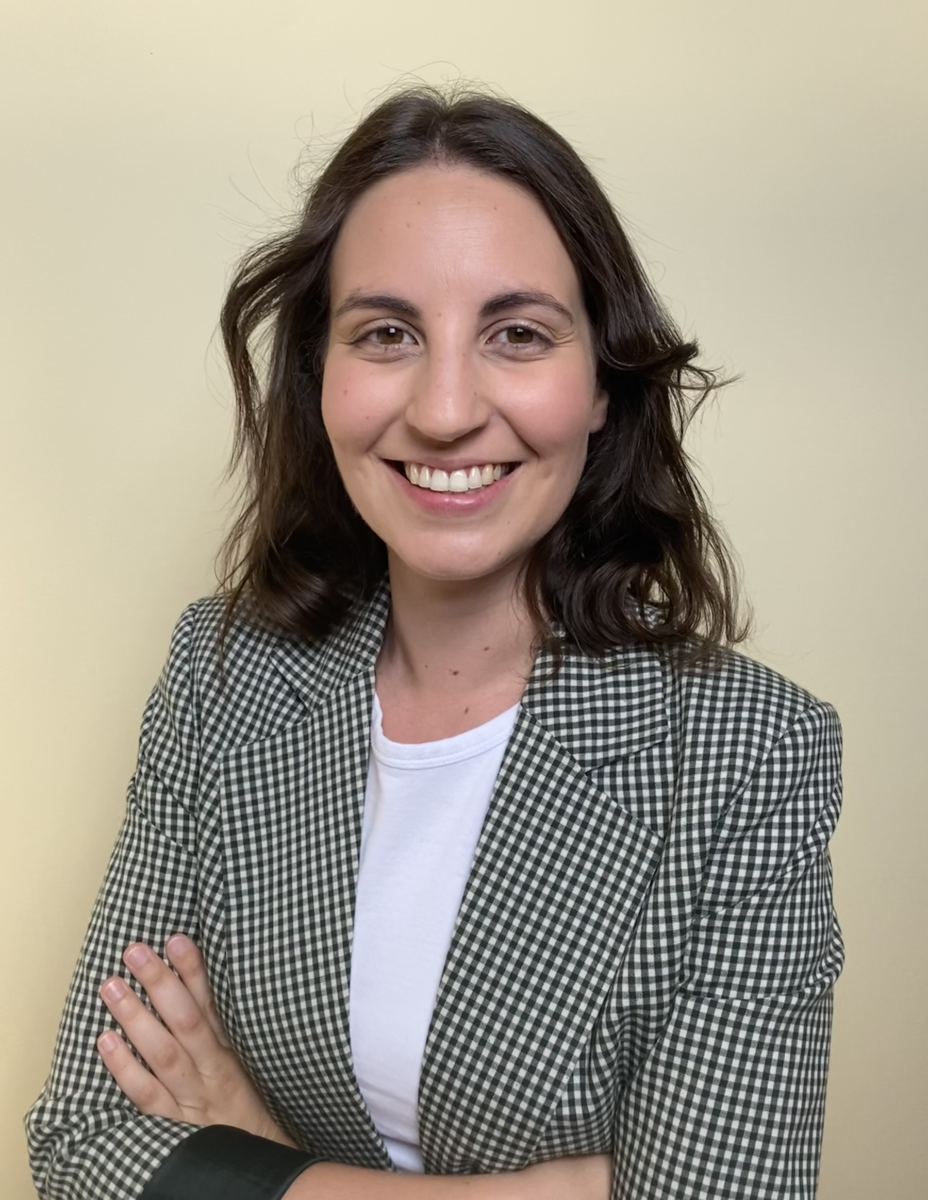
Marta Rodríguez-Castro
University of Santiago de Compostela
Biography: Marta Rodríguez-Castro
Marta Rodríguez-Castro is an assistant professor in Communication Sciences at the University of Santiago de Compostela and a member of the Novos Medios research group. She studies public service media, with a focus on public value, governance, funding and European media policy. Her research experience includes stays at Central European University in Budapest and the Hans-Bredow-Institut in Hamburg.

Hilde Van den Bulck
Drexel University
Biography: Hilde Van den Bulck
Hilde Van den Bulck is a professor and head of the Department of Communication at Drexel University. Her research connects media structures and policies with media cultures, particularly the effects of digitisation on legacy and public service media. She also examines how datafication, algorithms and platforms shape citizens’ ability to understand and participate in public life.
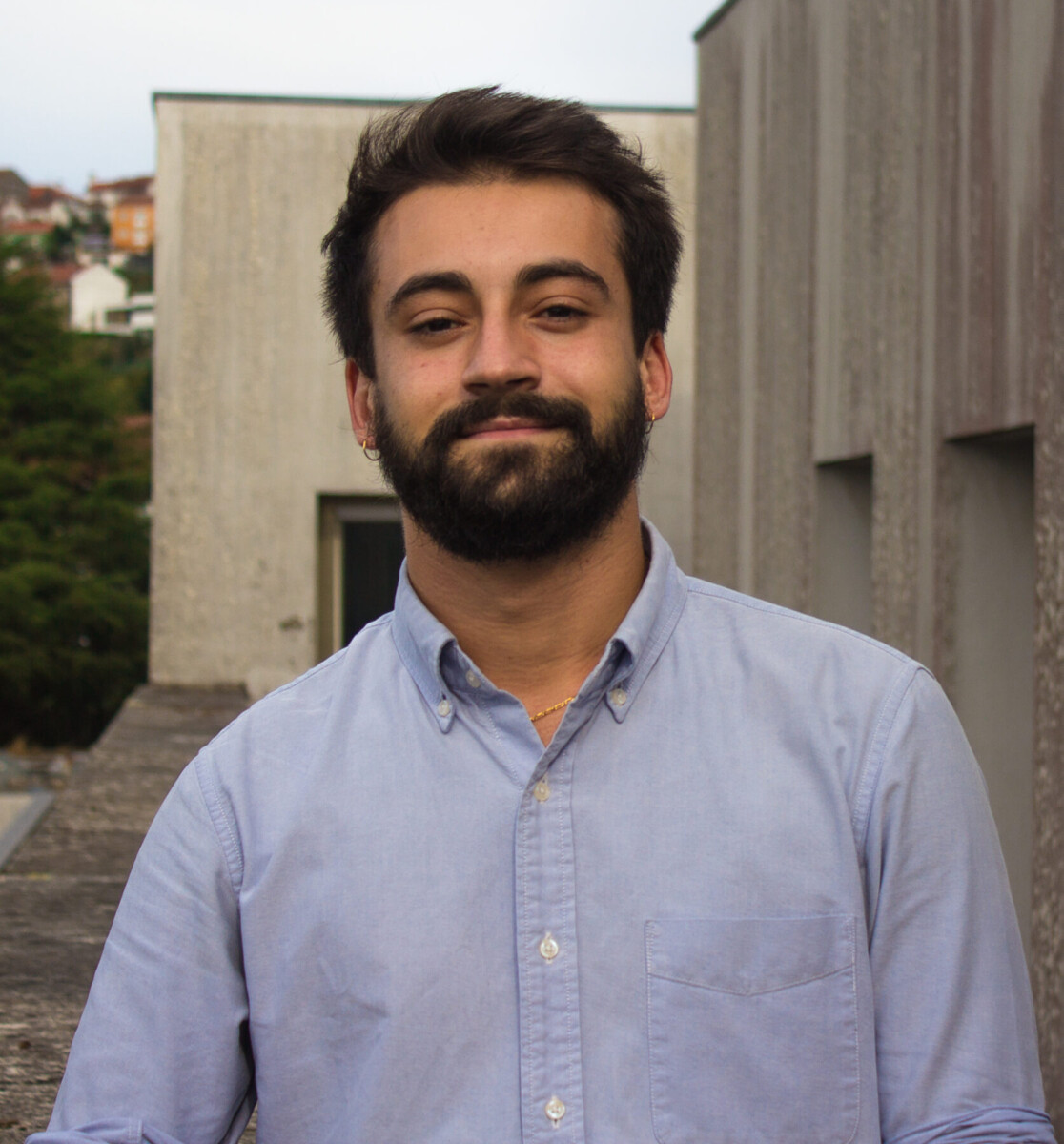
Martín Vaz-Álvarez
University of Santiago de Compostela
Biography: Martín Vaz-Álvarez
Martín Vaz-Álvarez is an assistant professor at the University of Santiago de Compostela and a member of the Novos Medios research group. His work explores artificial intelligence, journalistic values, co-creation and innovation in public service media. He is deputy director for innovation at the RTVE–USC Chair and a senior expert at MJRC, with research interests in governance, participation and the digital transformation of media.