Media and Journalism Research Center

MJRC Fellowship

Research that strengthens independent media.

A community of researchers and journalists investigating how media work, who holds power, and what independent journalism needs to thrive.

A place to develop your research

The MJRC fellowship centers on a research project developed in cooperation with the center. We support fellows in exploring questions that matter for media independence, journalism, and the public interest.

The program welcomes established professionals with an international profile, alongside promising early-career researchers and journalists who want to deepen their experience.

We welcome proposals connected to the priorities in our 2026–2028 strategy (PDF). Through our academic partnerships, including cooperation with the University of Santiago de Compostela, fellows can connect their work with a wider research community.

  1. Affiliation and guidance

    MJRC Fellow affiliation, with intellectual and programmatic support as you develop your research project.

  2. Support for publication

    Support in publishing papers and reports through MJRC’s publications and those of our academic partners.

  3. Community and exchange

    Engage with our expert community, participate in events, and explore designing courses for academic and non-academic audiences.

Funding: Specific funded fellowship calls are announced when funding is available. MJRC also welcomes partnerships with organizations and individuals interested in supporting the fellowship program.

Meet the fellows

Explore the people behind the research. Open a profile to read the fellow’s biography and research description here on this page.

Each profile carries its original publication date. Affiliations and research descriptions reflect the information published at that time.

Simone BenazzoIndependent media & democratic resilienceCentral & Southeastern Europe

Profile and research description originally published .

Simone Benazzo has joined the Media and Journalism Research Center’s Fellowship Program. The focus of his research project at MJRC is on investigating the active role that critical journalism can play in holding autocratic rulers to account, even under hostile conditions. His research will focus on Central and Southeastern Europe, a region where he will analyze four countries, namely Poland, Hungary, Serbia and Turkey. The research aims to understand how independent media resist autocratization and why some of those independent media succeed in resisting whereas others don’t. 

Simone Benazzo is pursuing a PhD in Political Science at the Universite Libre de Bruxelles where he also works as a teaching assistant. Furthermore, Simone is a contributor and policy analyst covering Central Europe and Western Balkans for various investigative reporting networks such as Balkan Insight, or news media such as Trieste.News, Rai Friuli, or EuroNews. 

Selected Publications:

Impactful stories. Understanding independent media’s resistance against autocratization in Central- and Southeastern Europe

Scholarship on authoritarianism has long noted that media independence, albeit limited and contested, persists in hybrid regimes (Diamond 2022; Egorov, Guriev & Sonin 2009). As Levitsky and Way point out, “In competitive authoritarian regimes (..) Independent media exist and civic and opposition groups can operate above ground” (2010, 8). 

However, researchers’ attention has been primarily devoted to studying the incumbent’s actions, and his attempt to capture the media and repress critical voices (Enikolopov & Petrova 2015; Prat 2015). In Europe, illiberal rulers in Turkey (Akser & Baybars-Hawks 2012; Coşkun 2020; Finkel 2021) and Hungary (Ágh 2015; Bajomi-Lázár 2013; Bátorfy & Urbán 2020) have poured most resources into this endeavor. 

At the same time, the burgeoning research on democratic resilience (Boese et al. 2021 & Lührmann 2021) and resistance (Tomini et al. 2022; Vanderhill 2020) has identified independent media among the key players in preventing and, ideally, reversing autocratization. 

Both literatures indirectly allude to the active role that critical journalism can play in holding autocratic rulers to account, even under hostile conditions. Yet, this very role has remained largely unexplored.

By investigating the specific context of Central and Southeastern Europe, this research aims to contribute to filling this gap, whose heavy implications for policymaking are self-evident. 

Theoretical framework, research questions and methodology

As a basic theoretical reference, this research understands autocratizing regimes as “informational autocracies” (Guriev & Treisman 2019; 2020), namely regimes where leaders aim first and foremost to persuade their public of their competence, and rely on mass terror and fear only seldom. In such regimes, transparency can turn into an existential threat for the incumbents’ survival, as it is likely to trigger large-scale mobilization and collective action (Christensen & Groshek 2020; Hollyer, Rosendorf & Vreeland 2015). Accordingly, independent media’s impact maximizes during critical junctures, such as mass protests (Pleines and Somfalvy 2022). Moving from the assumption that independent media operate to target “pivotal audiences” (Corduneanu-Hucia & Alexander Hamilton 2022) to fuel resistance to autocratization, the present work intends to provide empirically-sound answers to two research questions:

– How do independent media resist autocratization?

– Why do some independent media succeed in resisting autocratization, whereas others don’t?

At the methodological level, the first question will be addressed through a survey devised to gather independent media and journalists’ experiences and practices of resistance against autocratization. The goal here will be to illuminate this composite empirical reality by providing a grounded systematization. Building on the insight collected in the previous phase, the second question will be answered through two rounds of semi-structured interviews aimed at analyzing four case studies – Serbia, Hungary, Poland and Turkey – in a comparative perspective.

Back to the fellows
Yijing ChenSocial media, political communication & polarizationHungary · Digital networks

Profile and research description originally published .

Yijing Chen, a PhD candidate at the Department of Network and Data Science, at the Central European University, has joined our fellowship program. Her research centers around online political communication, social media, and social networks. With her background in Information Science, she is currently investigating the role of social media in political polarization, applying network analytics and natural language processing to measure polarization and understand structural patterns. She’s a curious reader in the broad field of computational social science and is interested in bridging perspectives and fostering collaborations across disciplines. 

Her ongoing PhD project collects and analyzes self-donated digital traces from multiple social networking sites (e.g., Facebook, Instagram), combined with self-reported questionnaire responses from a nationally representative sample in Hungary. By considering both attitudes and behaviors, she assesses and compares the degree of polarization reflected in people’s self-perceived ideological positions and digital traits online.  

Social media, political communication and polarization

Deliberative democracy calls for efficient political communication that meaningfully engages the public in discussions of key issues. Social networking sites (SNS), by allowing distant users to form online social networks and participate in discussions, have provided citizens with “greater inclusion and access to public decision-making”[1], thus serving as crucial communication channels for authentic political deliberation. However, the technological optimism about social media’s potential to promote civic engagement and build a larger common ground does not encompass the full magnitude of social media’s impact on political communication, as we see problems such as toxic conversations and filter bubbles arising in recent years. To realize the prospective merits of a hyper-connected society, we need to consistently reflect upon our online political conversations and carefully assess whether and how the architecture of today’s cyberspace alters with whom and about what we communicate.

Recent decades have seen alarming signals of an increasingly polarized population that diverges toward more extreme positions with shrinking tolerance for out-group members[2], [3]. Among researchers and the general public, one major concern that has garnered significant attention is that social media may exacerbate political polarization by delivering ideologically congruent news feeds and siloing users into homophilic communities[4],[5] . Despite substantial research efforts, this field is still rapidly evolving and presents numerous intriguing gaps, including (i) that the theoretical conceptualization of polarization has not been fully integrated into today’s model simulations or SNS data-driven analysis, and (ii) that the net impact of SNS usage on polarization remains an open debate. These gaps motivate a more systematic breakdown of the problem itself, a more unifying language that aligns frameworks from different disciplines, and more thoughtful experiment designs to uncover the nuances in the causal chain.

[1] Rishel, N. M. Digitizing deliberation: Normative concerns for the use of social media in deliberative democracy. Administrative Theory & Praxis 33, 411–432 (2011).  

[2] Mason, L. Uncivil agreement: How politics became our identity (University of Chicago Press, 2018).  

[3] Webster, S. W., Connors, E. C. & Sinclair, B. The social consequences of political anger. The Journal of Politics 84, 1292–1305 (2022).

[4] Bail, C. A. et al. Exposure to opposing views on social media can increase political polarization. Proceedings of the National Academy of Sciences 115, 9216–9221 (2018).

[5] Levy, R. Social media, news consumption, and polarization: Evidence from a field experiment. American economic review 111, 831–870 (2021).

Back to the fellows
Cerasel CuteanuConsumer responses to disinformationMedia literacy · Consumer behavior

Profile and research description originally published .

Cerasel Cuteanu has joined the Media and Journalism Research Center’s Fellowship Program. Currently immersed in the pursuit of a PhD in Marketing at the Babes-Bolyai University in Cluj, Romania, Cuteanu’s research revolves around the intricate web of fake news, a major topic in today’s information age.  

Under the umbrella of joint supervision with Saint Paul University in Canada, Cuteanu’s academic journey takes on a transcontinental dimension, exemplifying the interconnected nature of global academia. He has a background in Philosophy, European Studies/Political Sciences, as well as Investigative Journalism. Cuteanu approaches the topic of fake news in a transdisciplinary manner, bringing to his research concepts and ideas from various fields including social psychology, marketing/consumer behavior/theory, communication, political sciences and epistemology.  

As part of the MJRC fellowship, Cuteanu will focus on exploring how consumers can react to or resist, in real-time, the influence of fake news messages/communications and analyzing whether that is a better alternative than the post-factum types of reaction, which usually consist of retractions or corrections aimed to debunk fake news. 

Consumer responses to disinformation

Cuteanu’s innovative research suggests empowering media consumers to recognize and respond to fake news, applying the same positive skepticism as in evaluating advertisements, rather than focusing on correction methods. 

Since experimental studies come to the conclusion that correcting fake news (disinformation, misinformation, and other typologies of fake content) often proves to be inefficient, would there be a way to prevent, in real time, fake news from making an impact by empowering media consumers to activate certain functions/resources/intuitions when consuming an abundant amount of messages in our contemporary Web 2.0 context, thus helping those consumer avoid being affected by malign content?  

Cuteanu’s theory is that it could be of help to empower consumers to approach media news, possibly fake news, with the same kind of attention/positive skepticism that is used when being exposed to an advertisement where consumers know that there is persuasion involved and the advertised product may not do all that the ad is saying. In advertising, a reasonable dose of lying is mutually tolerated, yet people exposed to ads understand the rules of marketing and approach ads with a large dose of skepticism. 

How can that be used towards the research objective of this project? 

By extrapolating from consumer behavior, social learning, and social psychology, this project aims to identify ways to cope with and respond to fake news that enable consumers to debunk fake news without external help, but only using persuasion knowledge and self-control. What can be done to ensure action is taken at the consumer level and by the consumer before consuming disinformation as news? Is there a function/schema (similar to ad schema, or to persuasion knowledge) that consumers could use, as self-forewarning, without needing to appeal to excessive cognitive resources? 

Such a function would arguably be a much better alternative than debunking fake news by retraction/correction, which sends us to the unchartered territory of biases and sometimes excessively irrational worldviews. Even if it does not prove to be more efficient than post-consumption methods of debunking fake news, such a function could complement the latter, contributing to more effectively debunking and preventing fake news from making an impact. 

Such a ‘function’ would be similar to persuasion knowledge, which, if extrapolated from the Friestad and Wright Persuasion Knowledge Model (1994), could be personal knowledge underlined by people’s experience, possibly not requiring massive cognitive resources. Therefore, it could be a skill that might be taught/instilled at mass level, with significant efficiency, to support citizens in democratic societies to be better equipped to consume fake news (with reduced variance, obviously, depending on the individual self-efficacy). 

This set of skills could allow media consumers to avoid correspondence bias by looking at an influence agent’s behavior as situational rather than dispositional. Such skills can be honed by training consumers to ask, when seeing news content, the question they would ask, for example, when being exposed to an ad trying to sell a certain product: “What is going on?”; “Does the source/influence agent approaching me with this news have any ‘ulterior persuasion motive’” (Campbell and Kirmani, 2000). Identifying manipulative intent in news content could motivate consumers to activate such a “mindset” simply because people generally have an “aversion to being unduly manipulated” (Sagarin et al., 2002). 

If we test, for comparing reasons, a group of individuals, which are instilled to think this way, would we find them to be more effective in avoiding fake news effects over time than a group of individuals exposed to the alternative methods of correction of/debunking misinformation or disinformation who were not instilled with this type of ‘self-control’? 

These research hypotheses will be tested on three different cohorts of people with significant socio-cultural differences: an Eastern European country (Romania), a Western European country (to be determined), and a non-European country (i.e., U.S.A.). The main cohort will have academic background, yet, depending on the data collected in the pilot phase of the project, Cuteanu expects to expand his target population by including individuals with different educational backgrounds. 

The project ultimately aims at exploring the possibility of avoiding fake news effects by empowering consumers to do something simple: be constructively aware of possible persuasion schemas (maybe positively skeptical?) when approached by or exposed to various communications/messages/media news (same as consumers do, when approached by ads that try to convey a commercial message); and activate a social learning skill, self-control, in order to avoid being duped by fake content. 

Back to the fellows
Fatima el IssawiJournalism, activism & resilient public spheresMiddle East & North Africa

Profile and research description originally published .

Fatima el Issawi is a Reader in Journalism Studies at the University of Essex and Associate Professor in Journalism (in residence) at Northwestern University in Qatar. She led several research projects on the interplay between media and political change in the region. She recently completed the project “Media and Transitions to Democracy: Journalistic Practices in Communicating Conflicts- the Arab Spring” funded by the British Academy Sustainable Development Programme and looking at media’s impact on communicating political conflicts in post uprisings in North Africa. She is the author of “Arab National Media and Political Change” (Palgrave Macmillan, 2016) and the co-editor of “The Unfinished Arab Spring: Micro-Dynamics of Revolts between Change and Continuity” (Gingko, 2020). 

Fluent in English, French and Arabic, she holds a PhD in Media and Journalism Studies from Pantheon-Assas Paris II University. Her multifaceted background brings real-world expertise beyond academia and is reflected in a strong presence on prominent media platforms, including Al Jazeera English, France 24 TV, the New Yorker and The Independent, often publishing and commenting on current affairs and media policy in the region.

Investigating the media activism nexus in the Middle East and North Africa (MENA) 

At MJRC, Fatima will continue  investigating the media activism nexus in the Middle East and North Africa (MENA) and how the notion of resilience in the dynamics between dissenting actors in media and activism can help independent practices in the region that, eleven years after the beginning of the 2011 Arab uprisings, faces unprecedented authoritarian resurgence. 

The research is rooted in the everyday, using a bottom-up approach, considering the lived experience of civil society actors and journalists in the Middle East and North Africa (MENA) on the background of the 2011 Arab uprisings’ consequences. By doing so, the author aims to develop context-specific knowledge on how the complex interplay between journalism and activism is supporting or hindering the formation of resilient public spheres in times of authoritarian resurgence. The project explores the significance this interplay has for journalistic practices and professional identities, as well as the multiple meanings and possibilities for activism and grassroots participation in the societies considered. The project will cover four case studies: Lebanon and Sudan, as new revolts that emerged against the backdrop of corruption and autocracy, and Tunisia and Egypt, as part of the first wave of revolts that led to regime change, and are currently challenged by resurgent autocracy, populism, conflict, and corruption.

In addition to its important policy implications, the research will bring important and novel theoretical contributions using resilience as a useful concept in media and journalism studies, to understand media practices under political retrenchment. 

Back to the fellows
Adriana MutuAudiovisual media regulation in the platform eraSouthern Europe · Media governance

Profile and research description originally published .

Adriana Mutu is a University Professor in the Departments of Humanities and Market Research at ESIC Business & Marketing School in Barcelona, where she also serves as the Head of Academic Quality. She holds a Ph.D. in Political Science from the Autonomous University of Barcelona and a MA in Journalism and Communication Sciences from the University Alexandru Ioan Cuza of Iasi, Romania. She has conducted research at the University of Pennsylvania and the University of Helsinki. Adriana is founding member of MEDEA (Mediterranean Europe and Africa) and provides expertise to the Council of Europe and the European Commission.

Audiovisual Media Regulation in the Platform Era: A Comparative Cross-Country Analysis of Media Regulatory Regimes in Southern Europe

This research project explores regulatory convergence, co-regulatory arrangements, and cross-sectoral European cooperation in the implementation of legislation that supports audiovisual media regulation, including online content regulation. It focuses on the role of National Media Regulatory Authorities (NRAs) in four Southern European countries in ensuring viewers protection within the digital media ecosystem. The current state of audiovisual media regulation – covering on-demand services and video-sharing platforms under the jurisdiction of the national regulatory media authorities – is analysed through the lens of European integration theories. This approach clarifies what European integration entails for regulatory agencies responsible for the correct implementation of new media laws. The selected countries – Spain, Portugal, Italy, and Greece – represent the Polarized Pluralist media system as conceptualized by Hallin and Mancini (2004).

The research objectives are threefold:

1. To explore how national media regulatory authorities within the Polarized Pluralist media system align with new European regulatory requirements on online harm protection, content standards, and advertising rules as outlined by the Audiovisual Media Services Directive (AVMSD).

2. To examine the interaction between the Audiovisual Media Services Directive and other relevant European legislative frameworks, including the Digital Services Act, the Digital Markets Act, the General Data Protection Regulation, the AI Act, the Strengthened Code of Practice on Disinformation and the Regulation on the transparency and targeting of political advertising.

3. To map out the multi-level systems of media governance, including co-regulatory arrangements and the cooperation between media NRAs and other national regulatory bodies with cross-sectoral oversight responsibilities. The outcome of the cross-regulatory cooperation includes developing cross-sectoral guidelines and criteria for consumer protection, content moderation, systemic risk management, transparency in political advertising, service integrity, and empowering viewers.

The central research question asks how to ensure meaningful cooperation between media regulatory authorities with other sectoral regulators (competition, data protection, consumer protection) to create a level playing field in the media sector while avoiding the risks of media capture.

This research proposal aligns with the MJRC’s strategy by investigating the complex European media regulatory landscape from a cross-country comparative perspective. This topic is relevant to the Media Policy Hub initiative at the MJRC, as it aims to analyse the relationships and dynamics between various actors in the audiovisual media regulatory regime, focusing on the transposition, implementation, and enforcement of media legislation in Southern European countries.

Background and rationale

The first phase of the project begins with an in-depth analysis of European legislation and regulations related to online content responsibility and the accountability of digital platforms, particularly regarding online harm, content standards, and advertising rules. It also examines the role of national media watchdogs in regulating on-demand platform services and video-sharing platforms under the revised AVMSD. The AVMSD governs the EU-wide coordination of national audiovisual media legislation and includes provisions for the protection of minors (Article 12), promotion and distribution of European works (Article 13), encouragement of co-regulatory and self-regulatory regimes (Article 4, paragraph 7), incitement to hatred (Article 6), accessibility for people with disabilities (Article 7), audiovisual commercial communications (Article 9), sponsorship (Article 10), and product placement (Article 11). The implementation of these requirements will be analyzed in the four selected countries – Spain, Portugal, Italy, and Greece – with a comprehensive mapping of the measures undertaken. In addition to the AVMSD, the project will examine other EU legislative acts, including the Digital Services Act (DSA), the Digital Markets Act (DMA), the Regulation on the Transparency and Targeting of Political Advertising, the AI Act and the Strengthened Code of Practice on Disinformation, to identify measures addressing online harms, content standards, and advertising rules.

In the second phase, the project will explore the implementation and enforcement of relevant legislation governing online platforms. The focus will be on the interaction and cooperation between media NRAs and other competent national regulatory authorities – such as those responsible for consumer protection, data protection, and competition – in developing cross-sectoral guidelines.

The goal is to understand how media authorities from the selected countries align with new European regulatory requirements related to consumer protection, content moderation, and advertising rules, and how media regulatory agencies address the challenges of regulating digital platforms and collaborate with relevant stakeholders. In-depth interviews with media regulatory authorities’ representatives will be conducted to gather primary data and evaluate the implementation of EU media law.

Building on this background, this research makes a theoretical and qualitative contribution to the existing literature on media regulation, governance, and compliance with EU legislation. Qualitative research will help explain key initiatives and activities undertaken by institutional actors and provide insights into the processes of transposing, implementing, and enforcing EU law.

This project makes three key contributions. First, as an exploratory qualitative case study, it provides an in-depth assessment of digital platform regulation in the European Union, enhancing our understanding of the cooperation between European institutions, national media authorities, and cross-sectoral regulatory bodies. Second, it maps media governance arrangements in four Southern European countries, identifying how media authorities align with new European regulatory requirements on harm protection, content standards, and advertising rules, as well as how they collaborate with relevant stakeholders to develop cross-sectoral guidelines and policies. Finally, this research complements existing studies on the application of EU media law.

Background knowledge and context of the area

The complex EU regulatory framework, particularly its cross-sectoral dimensions and implications for media regulatory authorities, has not been fully addressed in previous research. Most media policy scholarship has focused on the implementation of European laws and the roles played by regulatory authorities (Weinand, 2018; Broughton Micova, 2020; Rozgonyi, 2020; Broughton Micova & Jacques, 2020; Mutu, 2021). Within the context of EU law enforcement, the majority of studies tend to examine the topic from a singular perspective, often from the viewpoint of political science or media policy.

A significant body of political science literature investigates Europeanization (Börzel, 2005; Radaelli, 2003), integration theory, and EU implementation and compliance, particularly across various policy fields (Thomann, 2015; Mastenbroek, 2005). This research frequently emphasizes regulatory networks and the functional tasks of regulation – such as information gathering, rule setting, monitoring, and enforcement – within the context of international cooperation aimed at facilitating horizontal coordination and harmonization (Eberlein & Grande, 2005; Slaughter & Hale, 2010; Levi-Faur, 2011). Institutional theory (DiMaggio & Powell, 1983; Scott, 1995) is also prevalent, building on prior research regarding Europeanization, the adoption of EU regulations (Mastenbroek, 2005), and the implementation of directives. Institutional theory posits that the context or environment in which any organization operates exerts pressures on decision-making, organizational behavior, and structures (Scott, 2008; Hambrick et al., 2005).

In line with previous research on national media authorities (Irion & Radu, 2014; Mutu, 2018, 2021) and the need for enhanced cooperation (ERGA, 2024) between these bodies and other cross-sectoral regulators, this project draws on interdisciplinary theoretical frameworks concerning European integration and the implementation and enforcement of European media legislation (Cornils, 2020; Stockmann, 2023; Dow, 2023; Horowitz, M. et al., 2021). This study aims to map and explain the specific domestic mechanisms for implementing the Audiovisual Media Services Directive (AVMSD) into national laws in relation to enforcement of requirements on online harm protection, content standards, and advertising rules. Additionally, it will examine the domestic cross-sectoral cooperation that facilitates horizontal coordination and harmonization of rules.

Brief list of methods/approach

This project builds on interdisciplinary theoretical frameworks on European integration, implementation and enforcement of European media legislation, discussing the role played by the EU institutions and national authorities from four Member States in relation to the regulation of online platforms. Stakeholder interviews will be conducted with a representative of the relevant media national regulatory authority (NRA) the selected countries, within the network of the European Platform of Regulatory Authorities (EPRA). The objective of the interviews is to map and explain the specific domestic instruments for implementing the Audiovisual Media Services Directive (AVMSD) at a national level, while also looking at domestic cross-sectorial cooperation facilitating horizontal coordination and harmonization of rules on online harms, content standards and advertising rules.

Themes addressed in the interviews include relevant legislation for media regulation and the interplay with relevant EU legislation (media laws, laws on advertising, data protection, laws on rights of children and on protection of minors, guides/regulations/communications on hate speech).

The online desk research will include examination of relevant Directives, Regulations and Codes, and the reports published by various international organizations, including the European Audiovisual Observatory (EAO), the European Platform of Regulatory Authorities (EPRA) and the European Regulators Group for Audiovisual Media Services (ERGA).

Back to the fellows
Sulochana PeirisMedia capture, democracy & social cohesionSri Lanka

Profile and research description originally published .

Sulochana Peiris is an independent documentary maker, researcher, and writer based in Sri Lanka. Sulochana has over two decades of experience in media, advocacy, and peacebuilding fields. During early career years, Sulochana worked as a print and TV journalist, and subsequently, switched over to the not-for-profit sector where she was involved in peacebuilding, early warning, human rights, and human security communication and advocacy related work in Sri Lanka. Over the last decade or so, she has increasingly engaged in research and documentary production work related to Southeast Asia, particularly in Thailand, Myanmar, and Cambodia. 

Sulochana’s recent research areas include media’s role in pluralism, social media and movements mobilization and communication, peacebuilding, women, peace and security, and women in politics.

Sulochana has an MA in Conflict and Peace Studies from the Faculty of Graduate Studies, University of Colombo, Sri Lanka. Her MA thesis was titled “The Role of Social Media in Contemporary Social Movements : A Case Study of Egypt from 2000 to 2011” . 

Sulochana is a Rotary Peace Fellow with an accredited certification in conflict and peace from Chulalongkorn University in Bangkok, Thailand. She is also Salzburg Global Seminar Fellow (part of the first cohort of Asia Peace Innovators Forum).

Media Capture in Sri Lanka

Media landscape in Sri Lanka is overcrowded and under-regulated. Sri Lanka’s media is highly segmented by language from the supply side. From a demand perspective, audiences are segmented across language, geographic, format, and geographic spheres.

The elite capture of media has had a clear and devastating impact on media’s independence, with politicians, the state and private parties/business moguls with ties to the government continuing to undermine media’s independence across the board. The most devastating outcome of this deteriorating media independence was seen in the run up to the 2019 presidential election in which one of the front runners of the election campaign was former defense secretary, Gotabaya Rajapakse who ran a very racist, anti-minority campaign based on the Sinhala-Buddhist (majority community in the country) supremacist ideology to win the majority community’s vote.

Together with rich moguls, Rajapakse’s election campaign infiltrated all key media platforms and spaces using very organic and strategic tools and approaches. They fabricated “stories” and “incidents” against the country’s Muslim minority, which had already become the “new enemy” of the majority community since the end of the thirty-year war with Tamil Tiger rebels who waged a bloody war against the Sri Lankan state for an independent homeland in North/East Sri Lanka.

Apart from using state media, the Rajapakse election campaign captured private media platforms, too. In a country where the mainstream media is still the main source of information for a majority of people, including the Sinhalese community, their main vote base, this proved to be very effective from a campaign point of view.

The anti-Muslim narratives and hate speech were also spread on social media and they strategically used social media “influencers” from the majority Sinhala community with large numbers of followers to get their key campaign messages across to as many people as possible.

Gotabaya Rajapakse won the 2019 presidential election with over 6.9 million votes. Subsequently, his administration paid little attention to the outstanding transitional justice issues connected to the country’s armed-conflict and took no effort to reconcile conflict-torn inter-ethnic/religious relations. Instead, his administration openly supported and promoted the Sinhala-Buddhist supremacist ideology both in governance as well as attitude towards the minority communities.

The media continued to lend their spaces for the fabrication, creation and propagation of anti-Muslim narratives and hate speech with little regard to increasingly visible consequences stemming from a lack of impartial and independent media in the country. This continued to be the case until the Rajapakse administration hit a wall because of bad fiscal and governance policies that largely contributed to the country’s worst economic crisis since its independence in 1948. Gotabaya Rajapakse was forced to resign in 2022 as a result of a youth-led protest campaign that began earlier in the year. Peiris’ research focuses on the impact of media capture by the Rajapakse administration on pluralism and inter-community relations. As part of her project, she wants to interview community groups/media consumers across ethnic/linguistic, geographic and demographic divides to further understand possible impacts of anti-minority narratives on their relations with other communities. Peiris has already over 50 key informant interviews collected during research on this theme for a project she carried out before. Ultimately, Peiris aims to develop this research into a book on the subject.

Back to the fellows
Andrei RichterPropaganda, media law & freedom of expressionMedia law · International comparison

Profile and research description originally published .

Andrei Richter is Researcher Professor at Comenius University in Bratislava and Adjunct Professor of the Webster University in Vienna. In 2011-22 he served as Director and a Senior Adviser at the Office of the OSCE Representative on Freedom of the Media. 

An Austrian citizen, Richter holds university degrees in law, journalism and foreign languages, a doctorate of philology in Russia and a habilitated professorship in media studies from Slovakia.

He has authored more than 250 publications on media law and policy in 12 languages, including the standard media law textbook for journalism students in the Russian Federation (2002, 2009, 2016), a textbook on international standards of media regulation (2011), a textbook on online media law (2014), and a book on censorship and freedom of the media in post-Soviet countries, published by UNESCO (2007). Dr Richter sits on the editorial boards of a number of international journals on communications and the media. 

Andrei Richter was a long-time professor at the School of Journalism, Lomonosov Moscow State University, where hechaired a department in media law and history. He founded and led Moscow Media Law and Policy Center, a Russian NGO in 1990-2010s. 

He also served as a commissioner at the International Commission of Jurists and the Chair of the Law Section of the International Association for Media and Communication Research.

Propaganda, disinformation and freedom of expression

Dr Richter’s research interests include the legal challenges caused by the resurrected phenomenon of propaganda and hate speech, which often operate with disinformation, especially online and in audiovisual media.

The conflict in and around Ukraine since 2014 and U.S. elections in 2016 have brought about a spread of propaganda and hate speech. While in Ukraine the search for the right toolbox to stop its spread into the country without endangering the fragile democracy is a matter of life and death, the threat of Russian propaganda is also perceived with particular acuteness in other neighbouring countries with Russian-speaking population, from Finland in the north to Moldova and Georgia in the south. As such, Russian propaganda is considered a threat to the European values by the European Parliament and EU’s executive bodies. 

As today’s media environment is characterized by proliferation of propaganda-driven disinformation, it confronts professional traditional media entities with numerous new challenges, and places a heavier burden on journalists and standards of journalism. Additionally, the current state of technologies allows an instant diffusion of reports across borders without professional gate-keepers.

By blurring the lines between false and true, propaganda and disinformation undermine public trust in quality journalism and its role in a democratic society. Furthermore, the prevalence of online and offline disinformation can threaten international peace, weaken states’ sovereignty, political independence, territorial integrity and the safety of citizens.

The main purpose of Dr Richter’s research is to provide factual comparative information and analysis on the main aspects of the disinformation/propaganda phenomenon and the question of how to deal with it. It reviews existing international standards, current national and international practices of policy-making and regulation, scholarly work and relevant efforts by the media associations and companies, recommendations for possible common efforts in dealing with the false news phenomenon in Europe. 

Using the comparative legal method, the author analyzes sources of international and national law to determine their approaches to addressing the dissemination of disinformation. This methodological approach provokes relevant sources that are often not observable if the focus is on an individual international organization, nation or a covenant. Comparative studies can reveal the continuity and discrepancies of legal responses in various contexts that all claim to share common global values of free speech and free media.

Dr Richter is interested in reviewing European and other international obligations in regards to hateful internal and particularly transfrontier propaganda in the context of freedom of expression and freedom of the media commitments. The starting points is implementation of article 20 (on ban of war propaganda and incitement to hatred) of the International Covenant on Civil and Political Rights, as well as its interpretations by the UN and other international bodies. Discussion of the relevant case law of the European Court of Human Rights is important as well: even though the European Convention on Human Rights lacks an equivalent to article 20, it had cases pertinent to the research topic.

Today’s digital media environment and the widespread proliferation of propaganda-driven disinformation confront professional media entities with numerous new challenges, and place a heavier burden on journalists and standards of journalism. Pursuit for truth is a basic principle that stays for professional journalism, and the research examins the current good practices on self-regulation of disinformation in Europe. It is important to review the recent efforts by media associations and companies to self-regulate and to promote media literacy as an antidote to disinformation, as well as the relevant intergovernmental policies in Europe. The research will look into the relevant decisions of self-regulation bodies, such as media councils. 

Dr Richter is interested to assess and comment on the strengths and weaknesses of the position on co-regulation of propaganda and disinformation of the European Institutions in Brussels, Strasbourg, and Vienna in regards to propaganda and disinformation, statements of other international human rights. 

The research aim is to deliver a modern rationale for regulation of hostile propaganda and provide recommendations to governments, courts, civil society, and media organizations. It includes specific recommendations on fine-tuning existing mechanisms to counteract disinformation, in particular through legal instruments, media accountability and literacy.

Dr Richter’s knowledge of the Russian media system, scholarly experience in media law of the post-Soviet countries, and international standards on media freedom facilitates research on the issue. The list of publications demonstrates that Dr Richter is focused on this research topic since 2015, having published a book and a dozen scholarly articles on the subject. This makes the research solid, well-considered, and realistic.

Back to the fellows
David RuzickaAccuracy, impartiality & media regulationCentral Europe · Broadcasting

Profile and research description originally published .

David Ruzicka is the Founding Editor of Datalyrics, a Prague-based investigative boutique that strives to communicate social science better. With a background in economics and comparative political science, David studies autocratization. He researched migration portrayal in newscasting. David is also a co-founder of the Czech & Slovak Club of the European Forum Alpbach.

Towards Shared Understanding of Accuracy and Impartiality

Background and rationale

Research on the standards of internal plurality is mind-bogglingly rare in Europe. The main focus of the debate about statutory content regulation has traditionally rested with the regulation of commerce and child protection. Yet, the first European comparative study on the subject of internal plurality was published only two years ago.(1)

If there is a relevant legal framework that connects the past and present regulatory experience to the current information malaise, it lies precisely in this area.

This project, therefore, aims to open the proverbial black box of national regulatory authorities (NRAs) and explain the problem of arbitrariness in the non/enforcement of ethical and legal standards like accuracy and impartiality in V4 countries. The project is focused on news, commentary and current affairs programs in broadcasting. Describing good practices of, for example, the UK’s national regulatory authority, the project seeks to offer recommendations for creating a shared understanding of the standards and making the compliance assessment – whether by a statutory regulator or a professional organization – more rules-based, predictable and transparent.

Key questions

How do representatives of national statutory regulators understand the standards of internal plurality and the processes through which they assess content compliance?

If content broadcast by Hungarian and Polish content providers fulfils the characteristics of propaganda, what weaknesses in the regulatory system cause that the viewers are typically not provided with any remedy?

How exactly does the British NRA prevent arbitrariness in its compliance assessment? Can its good practices be emulated in continental Europe?

What adaptations of the old standards does the digital age invite?

Methodology

We have conducted basic desktop research, leading to an overview of legal frameworks in all V4 countries and an overview of case law in the Czech Republic. 

We held 20 background interviews with regulation experts and media professionals in the Czech Republic, Hungary, Poland and Slovakia, including several semi-structured interviews with current and former members of NRAs, about the standards’ definitions, contextual criteria, NRA’s assessment processes and selected cases.

[1] ERGA, ‘Internal Media Plurality in Audiovisual Media Services in the EU: Rules & Practices’, 2018 <http://erga-online.eu/wp-content/uploads/2019/01/ERGA-2018-07-SG1-Report-on-internal-plurality-LQ.pdf>. In Hungary, research on this topic has been done by media watchdog Mérték and CMDS. Another somewhat curious exception are studies published by the Hungarian NRA that are, however, formalistic: Moravec, Ondřej, Andrej Školkay, Luboš Kukliš, and Ondrej Jurišta, ‘Volume I: Czech Republic and Slovakia’, in Comparative Media Law Practice: Media Regulatory Authorities in the Visegrad Countries (National Media and Infocommunications Authority, 2016), I; Galewska, Eva, and Szabina Berkényi, ‘Volume II: Poland and Hungary’, in Comparative Media Law Practice: Media Regulatory Authorities in the Visegrad Countries (National Media and Infocommunications Authority, 2016)

Back to the fellows
Anastasiia VorozhtsovaRussian propaganda: ownership, production & audiencesRussia · Investigative research
Profile and research description originally published .

Anastasiia Vorozhtsova, an MA graduate in international relations from CEU with academic and professional experiences in Russia, the United States of America, and Austria, has joined our Fellowship program. Anastasiia is a freelancer at The New York Times Podcast The Daily, where she has been monitoring news coverage of Russia and the war in Ukraine, conducting research and interviews, translating, and connecting individuals with the New York Times journalists.

Concomitantly, Anastasiia has been contributing to Columbia University Global Freedom of Expression (GFoE) by engaging in legal analysis for the initiative and compiling databases of court cases on content regulation, disinformation, right-to-be-forgotten, and hate speech.

As an aspiring investigative journalist, Anastasiia wishes to break complex international stories into understandable pieces of social, political, and environmental importance. She strives to hold those in power accountable.

At MJRC Anastasiia will focus on analysing Russian propaganda media outlets – their governance, production, and consumption.

From Those in Charge to the Audience: How Russian Propaganda Media Outlets Are Governed, Produced, and Consumed

On February 24, 2022, Russia started its full-scale invasion of Ukraine, and all hell broke loose – for many, if not, most of us. The war acquired several fronts, and Russia is losing almost everywhere. One battlefield driver, however, remains in the Kremlin’s firm grip: propaganda. 

The Russian warmongers failed repeatedly, yet the smooth choir of the state media continued to supply lies. The lies spur the audience’s support of the war. The case of today’s Russia displays clearly that media capture leads to catastrophes. The Kremlin’s propaganda machine conceals the war crimes the Russian army commits in Ukraine. And if propaganda does not convince viewers/readers/listeners fully, it thwarts their critique of government actions.  

How did we get here? Who are those Kremlin’s loyalists who own the propaganda media? What are the disinformation techniques? Russia’s media capture case demands analysis. Examining the various functional levels of propaganda can help fight media capture internationally and boost the support of independent media. 

Anastasiia plans to analyze the Russian case in a three-focus look at 1) propaganda media ownership, 2) propaganda disinformation techniques, and 3) regular propaganda consumer portrait. By turning to open-source data gathering, content analysis, and interviewing, Anastasiia aims to probe into the enormous scale the media capture gained in Russia.

Back to the fellows

Projects in focus

A selection of projects featured through the MJRC fellowship program in 2023. These articles preserve their original research descriptions, including the questions, approaches, and planned outputs. Further research descriptions appear in the fellows’ profiles above.

Journalism in exile · Global researchMedia in Exile: Key Players in Resisting AutocratizationHow newsrooms working from abroad sustain independent journalism and resist autocratization. Includes the research outline, mapping charts, and sources.Investigator: Simone Benazzo · Archive · Originally published 7 July 2023
Investigator: Simone Benazzo, ULB
Research article originally published . Research plans and contextual statements reflect the original article.

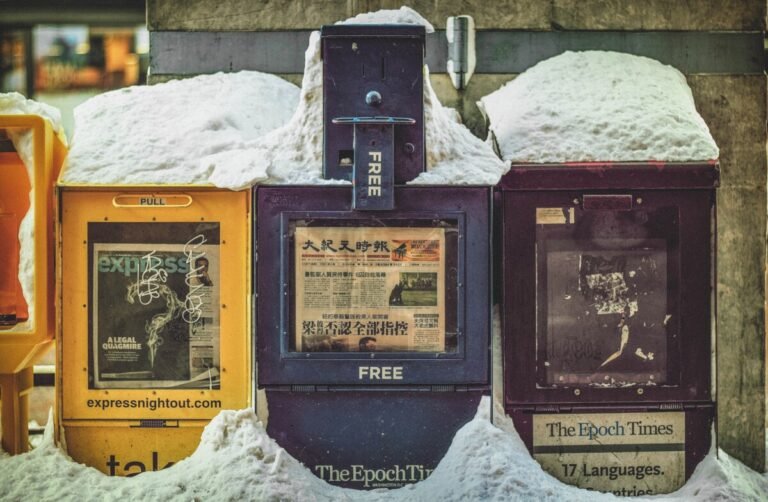
Photograph accompanying the original media-in-exile project article

On 13 April 2023, El Faro, a Salvadorian media outlet, announced that it had taken a decision with far-reaching consequences. After operating for a quarter of a century in its home country, the newsroom has chosen to register in Costa Rica as a non-profit Fundación Periódica, citing “the dismantling of democracy, the lack of counterbalances to the exercise of power by a small group of people, the attacks on press freedom and the disappearance of all mechanisms of transparency and accountability” as the factors that led it to take this step. 

El Faro is unlikely to feel alone in Costa Rica. 

Four Nicaraguan newspapers and investigative bodies – Confidencial, La Prensa, Nicaragua Actual, Onda Local – have already found refuge there, as the Ortega regime’s increasing repression prevented them from continuing their work in acceptable conditions of safety. 

The experience of these Central American media is just one chapter in a book that seems to be getting longer by the day. 

While journalism in exile is nothing new in itself, with examples dating back to at least the 18th century, recent decades have seen a surge in media that have set up, or been founded, outside their national borders. 

This phenomenon is the logical flip side of the large-scale deterioration in freedom of expression that has affected every region of the world – with the exception of Oceania – since 2012, according to Vdem data. Last year saw a record number of journalists imprisoned (CPJ 2022). 
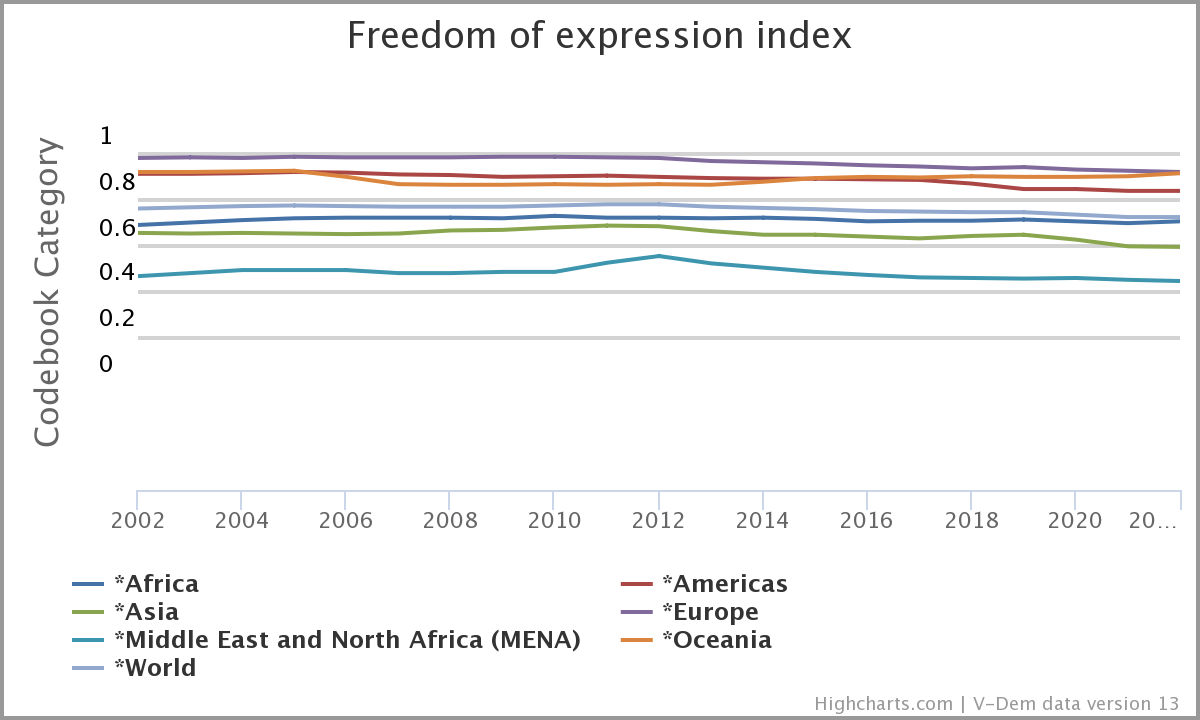
V-Dem chart of the freedom of expression index, reproduced from the original research article.

Even if no precise data still exists on the subject of media in exile, not least because experts do not necessarily employ the same terminology, international observers have not missed the trend.  

RSF reports having earmarked 70% of the financial grants its Assistance Desk has provided since January 2022 for supporting journalists in exile, and having written more than 400 letters to support visa or asylum applications by journalists who had to flee their country. Similarly, in 2022 CPJ helped 206 journalists to find shelter abroad, compared to 63 that were helped in 2020.   

The Russian invasion of Ukraine in February 2022 triggered a new wave of media emigration, which did not spare prestigious traditional publications such as Novaya Gazeta Europe and The Moscow Times. This watershed event put the media in exile in the spotlight, with coverage appearing in both the mainstream media, such as The New York Times and The Financial Times, and the specialist media press – Global Investigative Journalism Network, Columbia Journalism Review, NiemanReports. 

The importance of the media in exile is, indeed, hard to underestimate. As Christophe Deloire, RSF secretary-general, put it, their impact “reaches beyond the borders of their country of origin at a time of globalised challenges to the provision of news and information and propaganda wars.” 

However, the new interest in the subject among the general public and practitioners has highlighted a glaring lack of in-depth academic studies on the subject. 

Filling the gap and contributing to policy-making  

As is also clear from the short list of sources at the bottom of the page, most academic research has focused exclusively on individual journalists in exile or has failed to distinguish between them and the media in exile, addressing the phenomenon of ‘exile journalism’ as a whole. No studies have been devoted to exile media as actors in their own right, whose challenges, needs and ambitions differ to a large extent from those of individual, mostly freelance, journalists. 

Most of the information we have on the work of media in exile comes from independent reports published by media freedom NGOs and other social actors working to support journalism around the world (see the “Non-academic sources” section at the bottom of the page). 

This project represents therefore the first academic attempt to systematize the multi-layered phenomenon of media in exile by collecting and organizing first-hand data. It is led by Simone Benazzo, PhD student at the Université Libre de Bruxelles (ULB), with the support of the Media and Journalism Research Centre (MJRC).   

Besides contributing to increase academic knowledge on the subject, the project aims to encourage policy-makers in the EU and other like-minded partners to support newsrooms in exile by better understanding their necessities and the fundamental role they play in the campaign to defend liberal democracy worldwide. 

As the recent example of Russian media in exile makes clear, these media outlets are a key player in the global effort to resist autocratization and reverse democratic backsliding. Russian media in exile such as Meduza have been at the forefront of campaigns to debunk Kremlin-fuelled disinformation about what Russian citizens are presented as a “special military operation” in Ukraine. 

Beyond Russia, the well-established networks of Belarusian, Iranian and North Korean media in exile, for example, often provide the only reliable and verified information about what is happening within the largely closed borders of their countries. The rapidly growing network of Turkish media in exile, and many other newsrooms in autocratic countries as diverse as Eritrea, Syria, Nicaragua and Myanmar, are increasingly playing a similar pivotal role.   

What’s more, as the world of journalism as a whole struggles to come to terms with hugely disruptive technologies such as AI, a number of newsrooms in exile have already started experimenting with these tools to improve the quality of the journalism they produce and circumvent the strict censorship measures that autocratic governments have put in place to deny their domestic audiences access to evidence-based reporting and critical voices (see Rowan 2023 below).  

Mapping media in exile: a multifaceted scenario united under the same mission   

Preliminary research for this project identified around one hundred media in exile (see chart below for detailed data). 

They vary in size, scope, numbers of countries covered, staff, values, outreach, financial solidity, revenue streams, audience, popularity and in several other dimensions.  

Yet, they all share the same mission: holding the power accountable from abroad, when reporting in the home country – or region – is no longer feasible because of threat of any sort, from smear campaign to intimidation, from physical attacks on employees and premises to hostile takeover.   

Despite the many challenges the condition of exile abroad entails (psychological burden, homesickness, financial problems, difficulties in adjusting to a new culture, a  new work environment, often a new language), their very existence proves they have chosen not to cave in. 

Media in exile (by world region)

Photo by Matt Popovich on Unsplash

Sources

Academic sources

Arafat, R. (2021). Examining Diaspora Journalists’ Digital Networks and Role Perceptions: A Case Study of Syrian Post-Conflict Advocacy Journalism. Journalism Studies, 22(16), 2174–2196. https://doi.org/10.1080/1461670X.2021.1990110 

Balasundaram, N. (2019). Exiled Journalists as Active Agents of Change: Understanding Their Journalistic Practices. In I. S. Shaw & S. Selvarajah (Eds.), Reporting Human Rights, Conflicts, and Peacebuilding (pp. 265–280). Springer International Publishing. https://doi.org/10.1007/978-3-030-10719-2_16 

O’Loughlin, C., & Schafraad, P. (2016). News on the move: Towards a typology of Journalists in Exile. Observatorio (OBS*), 10(1). https://doi.org/10.15847/obsOBS1012016869 

Porlezza, C., & Arafat, R. (2021). Promoting Newsafety from the Exile: The Emergence of New Journalistic Roles in Diaspora Journalists’ Networks. Journalism Practice, 0(0), 1–23. https://doi.org/10.1080/17512786.2021.1925947 

Sarıaslan, K. Z. (2020). This is not journalism: mapping new definitions of journalism in German exile. (ZMO Working Papers, 25). Berlin: Leibniz-Zentrum Moderner Orient (ZMO). https://nbn-resolving.org/urn:nbn:de:101:1-2020072713154300695462 

Shumow, M. (2014). Media production in a transnational setting: Three models of immigrant journalism. Journalism, 15(8), 1076–1093. https://doi.org/10.1177/1464884914521581 

Skjerdal, T. S. (2010). How reliable are journalists in exile? British Journalism Review, 21(3), 46–51. https://doi.org/10.1177/0956474810383773 

(2011). Journalists or activists? Self-identity in the Ethiopian diaspora online community. Journalism, 12(6), 727–744. https://doi.org/10.1177/1464884911405471

Non-academic sources 

Articles and reportages in specialized press  

Dovbysh, O. & Rodina, E., Russian independent journalism in exile: In search of relevance and resilience, Russia.Post, 12 August 2022 (last accessed on 3 July 2023)  

Hylton, A., Visions of Valeria, Columbia Journalism Review, 17 April 2023 (last accessed on 3 July 2023)  

Katz Marston, C., Forced to Flee: How Exiled Journalists Hold the Powerful to Account, NiemanReports, 20 March 2023 (last accessed on 3 July 2023)  

Parkhomenko, S., Russian independent media: Why they leave and why they stay, Russia.Post, 5 July 2022 (last accessed on 3 July 2023) 

Philp, R., ‘Reporting from the Outside’: Lessons from Investigative Journalists in Exile,  Global Investigative Journalism Network (GIJN), 9 May 2022 (last accessed on 3 July 2023)  

Venkina, E., One Year in: How Putin’s war has changed journalism in exile, Deutsche Welle (DW), 16 February 2023 (last accessed on 3 July 2023).  

Westcott, L., CPJ’s support to exiled journalists jumped 227% in 3 years, reflecting global press freedom crisis, Committee to protect journalists (CPJ), 16 June 2023 (last accessed on 3 July 2023)  

Yablokov, I., Russia’s recently exiled media learn hard lessons abroad, Open Democracy, 6 December 2022 (last accessed on 3 July 2023)

Reports  

Exile Journalism in Europe, Körber-Stiftung, 2022 (click here to download the report) 

Forster, M. J., Outside: Exile News Media and reporting under threat, repression and reprisals, May 2019 (click here to download the report) 

Hlinovská, A. & de Schutte, N. Independent Media in exile: a research report on challenges faced by independent media in exile, Free Press Unlimited, August 2021 (click here to download the report) 

Mishra, T.P. Becoming A Journalist In Exile, Third World Media Network (TWMN), 2009 (click here to download the report) 

Rebuilding Russian Media in Exile – Successes, Challenges and the Road Ahead, JX Fund, 29 November 2022 (click here to download the report) 

Ristow, B., Independent Media in Exile, Centre for International Media Assistance (CIMA), June 2011 (click here to download the report)

Additional resources  

European Parliament, REPORT on the protection of journalists around the world and the European Union’s policy on the matter (rapporteur: Isabel Wiseler-Lima), 2 June 2023 (2022/2057(INI)) 

Exile journalists map – fleeing to Europe and North America, Reporters Without Borders (RSF), 20 June 2023 

Exile Journalism in Europe. Current challenges and initiatives at a glance. Körber-Stiftung 

Faces of Exile, Committee to protect journalists (CPJ), 2008 

Mugabo, L. E., Journalism in exile: lessons from Latin America and East Africa, online seminar at Reuters Institute (video available here) 

Network of Exiled Media Outlets (NEMO)

DW Akademie, Space for Freedom

Back to the projects
Media capture · Sri LankaHow Media Capture Destroys Democracy and Rule of Law in Sri LankaAn investigation into elite media capture, its effects on democracy and inter-community relations, and the implications for media policy.Investigator: Sulochana Peiris · Archive · Originally published 7 July 2023

Investigator: Sulochana Peiris
Research article originally published . Research plans and contextual statements reflect the original article.

Photograph accompanying the original Sri Lanka research project article

Ethnic and religious tensions have perennially torn the fabric of the Sri Lankan society since its independence from British rule in 1948. Dominated by the Sinhalese Buddhist majority, the country has long been home to several minority groups such as Hindu Tamils, Muslim Sri Lankan Moors, and a significant Christian community. The country experienced a civil war from 1983 to 2009 after the minority Tamil community led by Liberation Tigers of Tamil Eelam (LTTE) waged an insurgency against the state for an autonomous homeland in the country’s North/East.  

The war’s end saw the emergence of new faultlines as the governing Mahinda Rajapaksa administration encouraged an expansion of its majoritarian ideological politics against the island’s ethno-religious minorities. UN and international rights-based organizations pressed for investigation of alleged war crimes and crimes against humanity committed by the Rajapaksa administration. Meanwhile, a surge of the Sinhala-Buddhist supremacist narrative was permeating every sphere of Sri Lankan public life, expanding, and solidifying the Rajapaksa vote base in the southern districts. The ethnic Tamil minority was languishing in war-torn North/East due to numerous socio-economic hardships and challenges stemming from heavy militarization and lack of government support measures.  

After taking charge of the country’s executive, legislative and judicial centers of power, Rajapaksa’s administration continued to nurture the Sinhala Buddhist ideology at the expense of Tamil and Muslim minorities who make up a quarter of the country’s population. They paid little attention to the outstanding transitional justice issues connected to the country’s war and took no effort to reconcile conflict-torn inter-ethnic/religious relations. Instead, the Rajapaksa administration openly supported the permeation of the Sinhala-Buddhist supremacist ideology into institutions and practices of governance.  

In this milieu, the Muslim community found itself to be the new enemy of the majority Sinhala community as ultra nationalist Sinhala Buddhist militant groups such as Bodu Bala Sena (Buddhist Power Force, BBS) and Ravana Bala Kaya (Ravana Task Force) positioned themselves on the frontlines of a new anti-Muslim/Islam campaign. Strategically aligning their ethno-nationalist action against the Muslim minority with the larger global war-on-terror geo-political discourse, with covert support from their political puppet masters, Buddhist militant groups took full advantage of the domestic post-war transitional context to create and propagate anti-Muslim and anti-Christian narratives. Before long, the war-torn island was witnessing a spike in low-intensity violent attacks targeting Christian and Muslim places of worship. The ruling Sinhala political elite’s tacit approval for their Sinhala Buddhist supremacist-ideology centric action enabled the ethno-nationalist Sinhala groups to escalate their anti-Muslim campaign with impunity. The 2018 Digana riot was the most devastating post-war anti-Muslim violent incident to-date which was subsequently contained with the imposition of a country-wide curfew and a multi-day social media ban. 

The media as a tool for division 

Sri Lanka’s mainstream media has generally mirrored its divided society. Among media producers, Sri Lanka’s media is highly segmented by language. Meanwhile, Sri Lanka’s media audiences are segmented across language, format, and geographic spheres. In this landscape, the southern-based mainstream media has often played its own culpable role in the post-war era, by helping mediate the Sinhala Buddhist supremacist narrative to the Sinhala majority community. Over-crowded and under-regulated, Southern media has perennially colluded with, or supported, the Sinhala political elite for ideological reasons or financial gains enabling an elite capture of media. The elite capture of media has had a debilitating impact on media’s independence with clientelism enabling elite groups with ties to the government to benefit from uncritiqued media coverage and pursue their various agendas. Elite media capture has consistently undermined media’s independence while the unethical media practices have corroded the country’s already weakened democracy and rule of law situation. 

No other single event has illuminated the lasting impacts of unaccountable and unethical media behavior than the 2019 presidential election which was the apogee of elite media capture in the post-independence arena. Both state and private media organizations overtly supported the front runner of the election campaign and former defense secretary, Gotabaya Rajapaksa, to run an alarmingly racist campaign based on the Sinhala-Buddhist supremacist ideology. The 2019 Easter Sunday’s violence perpetrated by a local Muslim jihad group helped Rajapaksa to make the most compelling anti-Muslim case since the war’s end. Rajapaksa wasted no time in throwing his hat to the ring in the ensuing aftermath that was already witnessing a deadly escalation of the anti-Muslim sentiment in the entire country. 

With the backing of rich moguls and media owners, Rajapaksa’s election campaign infiltrated all key media formats and platforms using very organic, strategic, and technologically advanced tools and approaches. Strategy planners and creative heads leading the Rajapaksa campaign fabricated “stories” and “incidents” involving members of the Muslim minority forcing them to a state of apprehensive silence amidst proliferating accusations as being supporters of jihadist violence and extremism. Apart from using state media through existing connections, the Rajapaksa’s election campaign captured key private media platforms, too.  

The mainstream media is still the main source of information for most of the population, including a larger segment of the Sinhalese population, their main vote base. Even before his official campaign had kicked off, Gotabaya Rajapaksa was being promoted as the savior of the Sinhala Buddhist nation, once again. His campaign was headed by a media mogul whose media conglomerate comprised well-known television, radio, print, and advertising companies with outreach capacity to reach millions. By eating, drinking, and sleeping the frontrunner’s presidential campaign, the campaign runners helped Gotabaya Rajapaksa to get inside the Sinhala Buddhist heads rent free. Substantial amounts of unaccounted for-campaign finances were pouring in from countless domestic and overseas fronts.  

Of note has been the way the Rajapaksa regime has innovatively used social media to propagate anti-Muslim narratives and hate speech to profound effect. This has been done through campaign adverts, setting up social media groups, as well as getting endorsed by prominent social media influencers with access to key digital spaces representing many thousands of followers. Digital influencers used their own social media platforms to campaign for Rajapaksa. Underpinning the messages of nation’s “security” and “eradicating terrorism” at the center, the Rajapaksa campaign manipulated widespread feelings of anger and disappointment at the previous government’s inability to prevent Easter Sunday’s violence. His campaign mobilized prominent academics, artists, and social influencers to extol the virtues of Rajapaksa’s character as the most suitable candidate to lead the nation towards a path of “vistas of prosperity and splendor”. Gotabaya Rajapaksa won the 2019 presidential election with over 6.9 million votes, representing 52.25% of the votes cast. As noted by academics interviewed in preliminary research for this project, some of the social media strategies deployed by the Rajapaksa have been used as a model by authoritarian governments worldwide. 

Irrespective of who is in charge, state media in Sri Lanka has consistently displayed servility to the government in power. Except for one company, most of the other privately owned media showed blatant disregard for their independence, doubling down their support to the new Rajapaksa administration. The line of separation between government and private media became blurred as both were sounding alike in their coverage of ongoing affairs of the government and country. Those media which had always peddled ideas of nationalism driven by political or financial gains were now utilizing their platforms for the fabrication and mediation of anti-Muslim narratives at a level never seen before. They showed no compunction about the increasingly dangerous consequences resulting from lack of impartial and independent media in the country. Rajapaksa was given free rein by the media with no critique of a series of bad decisions and policies by his administration which brought the downfall of his presidency in less than three years. Erroneous fiscal policy decisions, unchecked clientelism, militarized state institutions, and the onset of the Covid-19 pandemic led to the country’s worst economic crisis since its independence. Gotabaya Rajapaksa resigned in exile in August 2022 unable to withstand youth-led protests that began earlier in the year.  

So far, there has been no public apology by the responsible media organizations for their culpability in the propagation and proliferation of vicious anti-Muslim hate campaigns in the run-up to the 2019 presidential election and thereafter. Neither have they accepted accountability for providing uncritiqued support and media space for the Rajapaksa administration that led the country to economic bankruptcy whose devastating effects are both immediate as well as long-term and generational (currently nearly 30% Sri Lankans are facing food insecurity and nearly 40% children under five are suffering from malnutrition; the economic crisis prompted reductions in public spending for healthcare and education, denying urgent health care as well as education to thousands of poor Sri Lankans ). 

Research project 

The research will seek to tell the story of how the Rajapaksa regime came to power and the supporting role played by Sri Lanka’s captured media sector. The author will attempt to identify conditions and factors that enabled the Rajapaksa election campaign to infiltrate and capture mainstream media spaces, as well as the effects and impact of media capture on the country’s democracy, governance, and rule of law. Finally, the author will draw out the implications of this example for other countries, by establishing connections to how online media is being used to influence social and political movements worldwide through new configurations of power and technology. 

Through primary data collection via interviews, the research will seek answers to several questions that address media capture by the elites, namely the relationship between the Rajapaksa election campaign and its impact on the voter behavior, public opinion of the Rajapaksa administration, the main short- and long-term socio-economic and political impact stemming from the rule by the Gotabaya Rajapaksa regime, the key policy implications/gaps unearthed by the elite media capture during the Rajapaksa election campaign and administration in terms of Sri Lanka’s mainstream media, rule of law and governance, the media capture impact on social cohesion and ethnic/religious coexistence, and the implications this case had for other political contexts.  

Answers to the above research questions will draw on the following themes:  

  • The ways that elite capture of the media impacted the voter behavior;  
  • Key gaps in Sri Lanka’s media policy, law and regulation that allowed Rajapaksa-linked elite groups to capture mainstream media and manipulate media spaces to their advantage and achieve their vested interests;  
  • Gaps and problems in the adoption and compliance with journalism ethics related principles governing media’s independence that allowed elite capture to take place and continue unimpeded;  
  • How media capture by elite during the rise and reign of Rajapaksa did impact upon majority/minority relations; and  
  • How media capture during the period under review impacted on the overall democracy, governance and rule of law, with a focus on institutions and practices. 

Research outputs 

This research is expected to lead to three outputs as follows: 

(i) A book telling the story of the Rajapaksa regime capturing the media. This book project will attempt to create a much-needed discourse on the nexus between elite media capture and democracy, governance, and rule of law mechanisms, practices, and institutions in Sri Lanka. 

(ii) A one-hour documentary film anchored in the research themes discussed and findings put forward in the book; and  

(iii) Presentation series involving book presentation and documentary screenings followed by a discourse at national and district level in collaboration with relevant media think tanks and local non-government and grassroots-based organizations in each district. In Sri Lanka, where media literacy is low, this step is crucial for the book and film to have impact and for people to learn lessons useful for their day to day lives. 

The impact of the research project 

The research will help shed light on key policy implications/gaps at two levels. 

Firstly, it will expose policy gaps/loopholes pertinent to media law and regulation, including in the areas of media ethics, media independence, freedom of expression and freedom of information. 

Secondly, it will also bring attention to how a lack of robust media legislation and regulation impinges on overall democracy, governance and rule of law-centric policies and practices. By creating a discourse on the existing situation and policy gaps in the above-mentioned areas at national and district level with key institutions and groups, the author will hopefully be able to motivate them to work towards filling the existing gaps and formulating a possible new policy to secure media’s independence and impartiality, and protection against capture. 

This Sri Lanka-based research will also contribute to the overall debate and discourse at international level as a lessons-learned experience with the impact of elite media capture on democracy, rule of law and governance mechanisms, practices, and institutions. This will be done in collaboration with the Media and Journalism Research Center where the author is currently a fellow with access to its networks and platforms. Book talks and documentary screenings at international level will also be actively sought to further advance Peiris’s contribution to the topic at international level. 

Photo by Brian Kyed on Unsplash
Back to the projects

Bring your research to MJRC

We accept fellowship applications on a rolling basis. Tell us what you want to investigate, why it matters, and how working with MJRC would help you pursue it.

Prepare your application

  • A research proposal covering the five sections below. Around 1,000–2,000 words is generally sufficient; this is guidance, rather than a fixed word limit.
  • Your CV, professional profile, current affiliation, and contact details.
  • A clear explanation of how your research connects with MJRC’s 2026–2028 strategy and how the fellowship would support your work.

How applications are reviewed

An academic commission of five experts with extensive experience in research evaluates applications and makes recommendations to the center’s director. Commission membership changes every six months.

What matters most
Give particular attention to your research objectives, relevance, added value, and a realistic timescale. These provide the foundation for the project.

The five sections of your research proposal
  1. Working title and research topicDescribe your topic clearly and explain why it fits with MJRC’s strategy.
  2. What you want to investigate, and whySet out your objectives as research questions, hypotheses, or problems to solve. Explain the research gap, your project’s added value, and why the work matters. Indicate how long you intend to spend on it and why it is realistic within that time.
  3. Background and contextBriefly introduce the area you want to work in, including key literature, people, and research findings. Explain how your work connects with existing research.
  4. Methods and approachExplain how you will conduct the research, whether you will use existing theories and methods, develop new approaches, or combine both.
  5. Research strategy and timetableOutline the main stages of the project and provide a basic timeline.

Submit your application

Complete the application form below and upload your research proposal and CV.

Name
Where you come from
Drag & Drop Files, Choose Files to Upload
Upload research proposal following guidelines above.
Drag & Drop Files, Choose Files to Upload
Checkboxes