AI Information Map: How AI Assistants Source Germany
The Media and Journalism Research Center (MJRC) has published the German edition of its AI Information Map, a study of the sources AI assistants use, recommend and warn against when people ask about a country. Germany follows Romania, Spain and Hungary in the series.
The study tested 10 widely used AI assistants (ChatGPT, Gemini, Copilot, Claude, Perplexity, Meta AI, Grok, DeepSeek, Mistral Vibe and Google’s AI Overviews) with the same bank of 20 questions in English and German. The questions cover media, politics, the economy and public services, society and the environment, and culture and local life. Collection ran from May 2025 to June 2026, with a validation round from August to October 2026, and produced some 350,000 archived answers through 65 IP addresses.
The findings show that official Germany answers first. Reuters is the most-cited single source. But official and government-linked sources, including federal ministries, the statistics office and the Bundestag, together weigh about as much in the answers as all of Germany’s broadcasters and newspapers combined.
Which assistant a person uses strongly shapes what they see. ChatGPT takes 42.9% of its sources from official websites. Meta AI takes 27.0% from Reuters, and Mistral Vibe 18.9% from AFP.
Language matters as much. German broadcasters and newspapers supply 18.8% of citations when questions are asked in German, but only 7.4% when the same questions are asked in English.
The assistants also recommend one set of sources and use another. All 10 recommend Deutsche Welle, Tagesschau, ZDF, Süddeutsche Zeitung, Die Zeit and Der Spiegel, yet most of these titles are rarely cited in the answers themselves.
Warnings follow a clear pattern. Disinformation flags go mainly to Russian state media, impersonation campaigns and far-right alternative outlets, and no mainstream national newsroom receives one. Bild, Germany’s best-selling daily, is cautioned by all 10 assistants and never recommended as a national source.
Judgements about sources are poorly documented. About nine in 10 ordinary citations carry a link, but fewer than one caution in five does. Most links attached to recommendations simply lead to the outlet’s own website.
An In focus section examines deutschland.de, a public-diplomacy portal produced in cooperation with the Federal Foreign Office, which ranks joint seventh among all sources cited.
The research is continuing, and figures will be updated as new rounds are added. The full findings are available on the AI Information Map: Germany page. More information about AI Information Map can be found on project’s page.
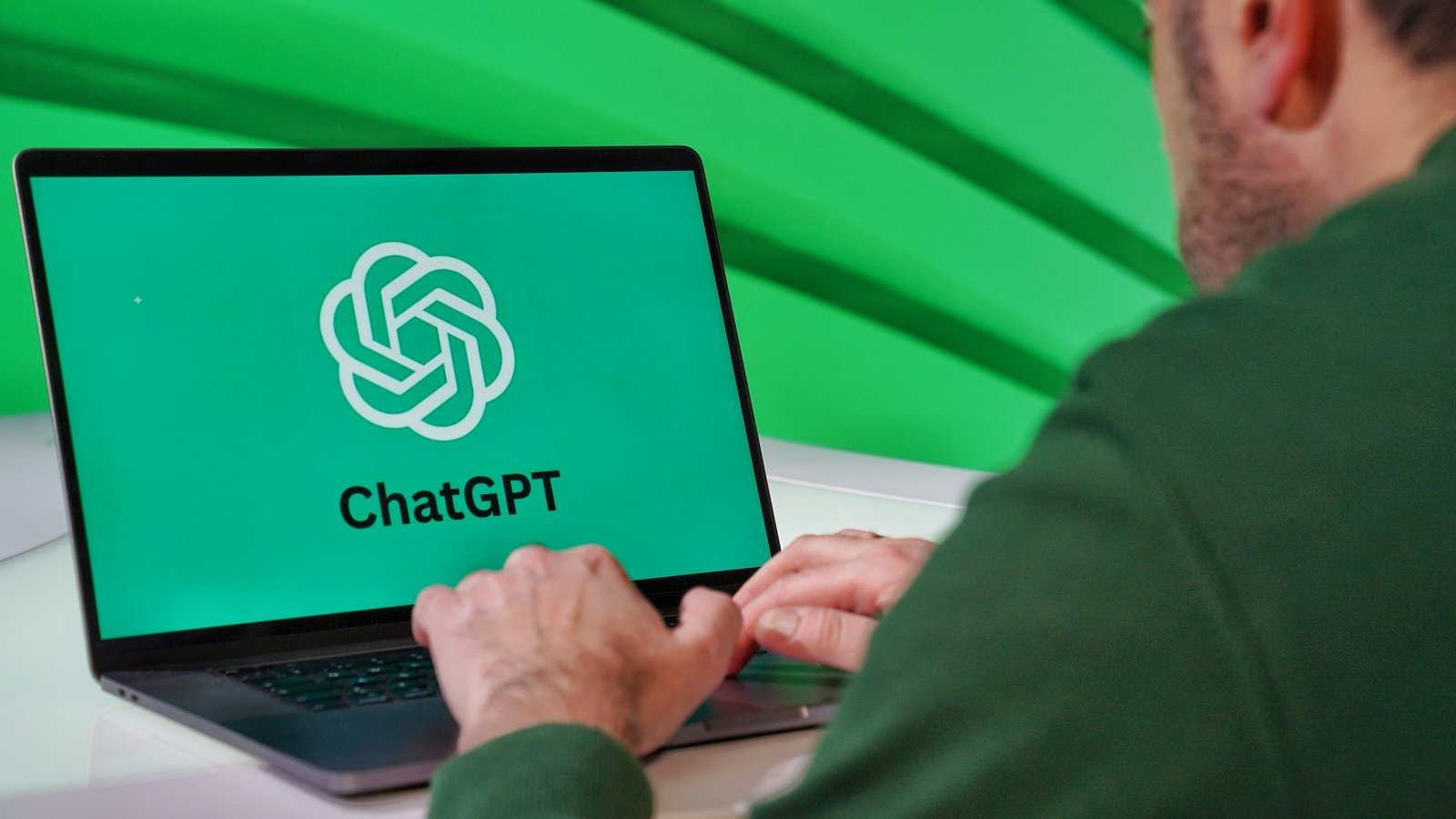
Photo by UMA media/Pexels
Invest in independent media research and join a community of practice.
MJRC takes no government money — so the questions we chase are set by the field, not by a funder. A contribution keeps our research and global analysis independent, and buys you a seat closer to the work: early access to new findings, invitations to small-group briefings, a place in our Supporters Circle, and the option to be listed on our Supporters Page.