Media and Journalism Research Center · Politics and policy
Media reform in Lebanon
Research, practical guidance and collaboration to strengthen freedom of expression, media independence and information integrity.
Project overview
Evidence for media reform
Independent, trustworthy media help people scrutinise public decisions, expose corruption and follow reforms. This project supports the conditions that make that work possible in Lebanon.
MJRC works with Maharat Foundation (opens in a new tab) and Legal Agenda (opens in a new tab) to connect local expertise and advocacy with comparative research on media policy. The work serves journalists, policymakers, judges, lawyers, researchers and other actors involved in reform.
European experience provides a source of evidence and practical examples, with attention to which approaches fit Lebanon’s legal, institutional and media context.
Project: Support to Media Reform in Lebanon to Enhance Freedom of Expression. Funded by the European Union.
Phase II · 2026–2027
The current programme
Launched in January 2026, Phase II builds on the project’s earlier research and advocacy. It supports a media framework grounded in freedom of expression and strengthens the research, knowledge and rule-of-law support needed to put reform into practice. MJRC contributes comparative expertise, research design and methodological guidance across the following areas.
Media policy reporting and Guidance Desk
Practical tools and expert support to help journalists report accurately on media regulation, legislative processes and freedom of expression.
Activities and resources
MJRC is developing a reference guide with presentations, templates and case studies for journalists. It covers:
- Understanding regulatory frameworks and legislative change.
- Connecting legal reform with people’s everyday lives.
- Using data and comparative evidence in reporting.
- Applying ethical standards when covering institutions and policymakers.
The guide informs a Guidance Desk jointly coordinated by Maharat and MJRC, designed to provide access to policy expertise, fact-checking support and mentoring as journalists develop stories.
Tools for independent media regulation
Technical assistance for Lebanon’s National Media Council, drawing on comparative experience in media monitoring, transparency and institutional independence.
Guidebooks and registry framework
MJRC co-leads work on three foundational instruments:
- Media Monitoring System Guidebook: methods and indicators for monitoring media ownership, funding and content distribution, with approaches ranging from manual collection to digital tools.
- Foundational Policies and Procedures Guidebook: model policies for transparent decisions, ethical conduct and safeguards for regulatory independence.
- Media Ownership and Transparency Registry prototype: a framework for collecting, organising and publishing ownership and financial information, with appropriate transparency and data-protection safeguards.
Young Media Researchers Program for Lebanon
A Lebanon-specific research stream connecting university research with advocacy and policy development, supported by MJRC’s research and mentoring expertise.
Research themes and mentorship
The programme is designed around two cohorts of five Master’s students from journalism and communication faculties in Lebanon. Research themes include media transparency, algorithmic governance, AI-driven misinformation, electoral information integrity and digital rights.
MJRC co-designs the mentorship framework, contributes research methods and comparative expertise, and reviews the outputs. The programme envisages online publication and the use of this research in advocacy and dialogue.
Explore MJRC’s Young Media Researchers Program (opens in a new tab)
Fellowship on Media Reform and AI Governance
A fellowship developed jointly by MJRC and Maharat to help journalists examine how artificial intelligence is changing journalism and the information environment.
Fellowship focus
Designed for five journalists, the fellowship combines mentorship, sessions with international experts and the development of long-form investigations or policy analyses. Its themes include:
- Media revenue and monetisation in the AI era.
- Automation, content production and disinformation risks.
- Reaching underrepresented communities and new audiences.
- Service-oriented and data-driven journalism.
- Regulatory and ethical approaches to AI transparency and accountability.
Phase I · 2023–2025
Research and publications
The first phase produced comparative studies of European media policy and practice to inform reform in Lebanon. The collection covers journalists’ rights, media sustainability, regulation and the integrity of electoral information.
Collected studies · 2024
Freedom of Expression in Europe
Insights on EU regulations and policies impacting media and journalism
This volume brings together the project’s studies on media regulation, digital change, defamation, journalist protection, professional associations and public interest journalism.
English edition
Authors, editors and citation
Authors: Minna Aslama Horowitz, Attila Mong, Judith Pies, Andrei Richter and Krisztina Rozgonyi.
Editors: Marius Dragomir and Judit Szakács.
Citation: Minna Aslama Horowitz, Attila Mong, Judith Pies, Andrei Richter and Krisztina Rozgonyi. (2024). Freedom of Expression in Europe: Insights on EU regulations and policies impacting media and journalism. Marius Dragomir and Judit Szakács (eds.). Media and Journalism Research Center.
Monitoring the Ballot: Election Supervision and Observation
Examines international standards for election supervision and observation, the institutions that oversee electoral processes and approaches to monitoring media coverage, with recommendations relevant to Lebanon.
Regulation of Social Media and Elections in Europe
Explores European approaches to the role of social media in elections, including disinformation, political advertising, personal data and the responsibilities of platforms in protecting electoral integrity.
How Associations of Journalists Protect Press Freedom in Europe
Looks at how journalists’ associations support press freedom, represent the profession and issue press cards, examining European practices and their relevance to the Lebanese media sector.
Protection of Journalists and Journalistic Sources in Europe
Reviews physical, psychological, digital and financial threats to journalists, and the safeguards that protect their work and sources, including responses to harassment and abusive litigation.
Public Interest Journalism Startups in Europe: Trends, Players, Challenges and Incentives
Maps emerging public interest news organisations, their revenue models and the obstacles to sustainability, considering which funding approaches and policy incentives can help independent journalism develop.
How to Modernize Media Laws to Cope With Digital Change
Considers how media laws can respond to digital distribution and platform power, drawing on European approaches to fundamental rights, copyright, data protection and the changing information environment.
Decriminalization of Defamation in the Context of Free Speech: A European Perspective
Examines the relationship between defamation law and free expression, comparing European standards and practices and considering alternatives to criminal penalties that can suppress public interest reporting.
A Balancing Act: EU Media Regulation, Co-Regulation and Self-Regulation in the Digital Age
Explains the relationship between statutory regulation, co-regulation and self-regulation, and how these approaches address democratic values, public interest goals and digital change in European media.
People
Project team
MJRC’s project team works with experts and mentors in media law, journalism, regulation and digital technologies.
MJRC team
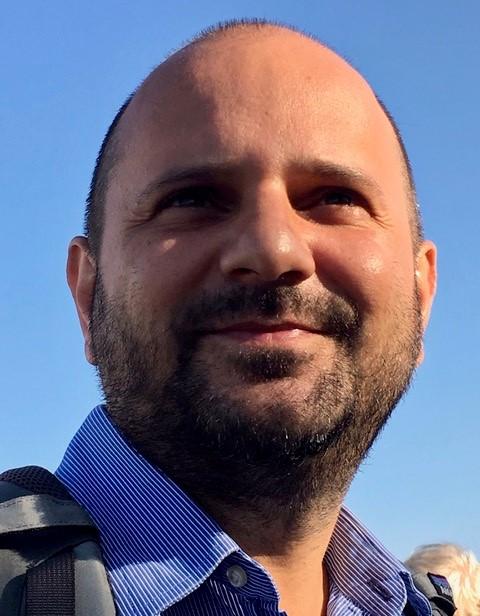
Marius Dragomir
Director
Biography: Marius Dragomir
Marius Dragomir is an award-winning media scholar and journalist, serving as the director of the Media and Journalism Research Center (MJRC). He is also a researcher at the University of Santiago de Compostela in Spain and has served as a visiting professor at Central European University (CEU) in Vienna, where he taught courses on journalism, research design, advocacy, and policy engagement.

Mihaela Groza
Communications Manager
Biography: Mihaela Groza
Mihaela Groza works as the Communications Manager at MJRC supervising social media activities as well as managing both internal and external communications. Prior to this role, Mihaela served at CMDS (at CEU), where she took on diverse responsibilities including administration, project management, and research.
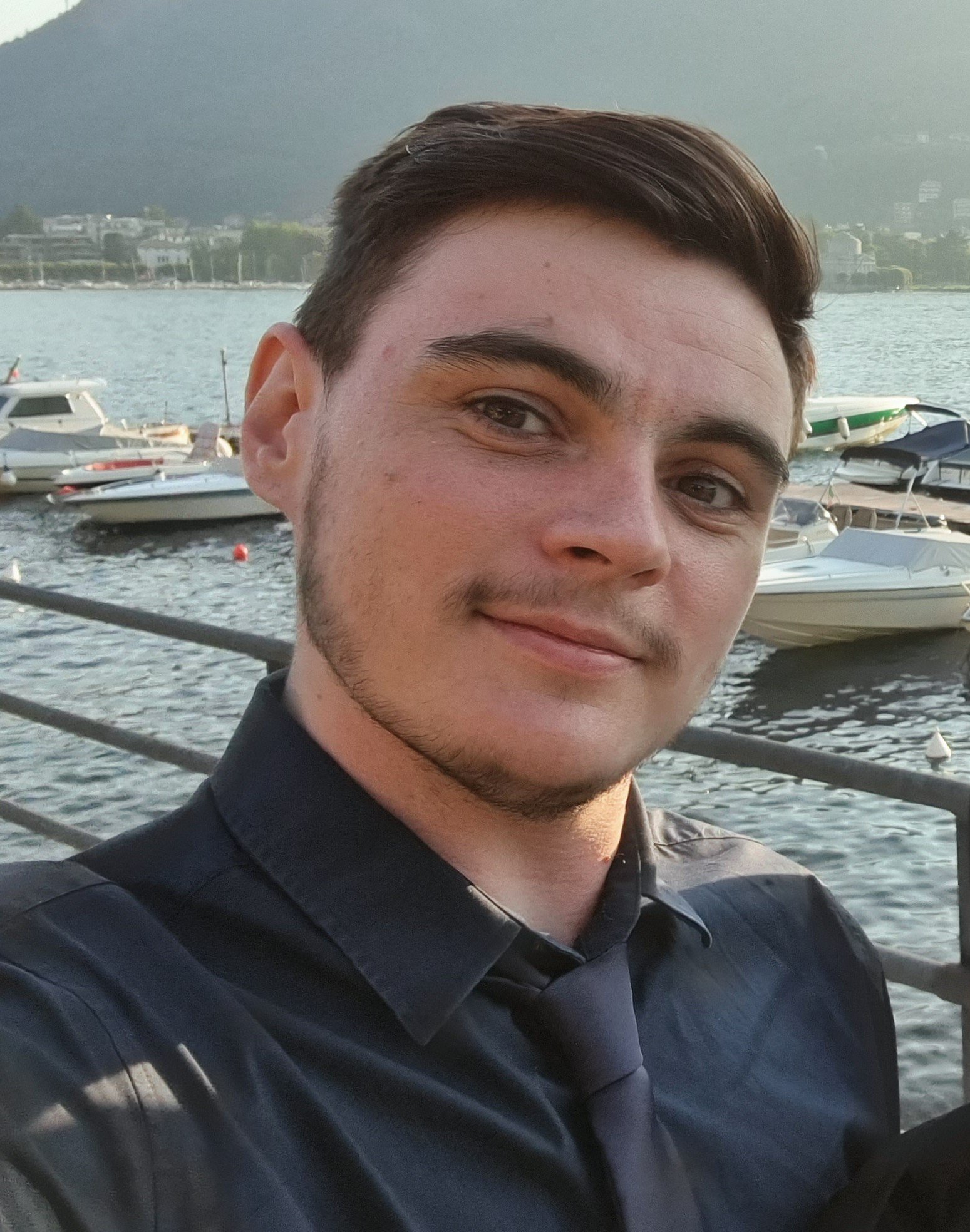
Theodore Southgate
Research Coordination
Biography: Theodore Southgate
Theodore Southgate is a writer and editor based in Barcelona. He has been working with MJRC for several years now as a content editor, mainly on ESL pieces including articles, reports, essays and all manner of other publications related to the field of global journalism. He is now working as a project coordinator for the Media Reform in Lebanon project.
Experts and mentors
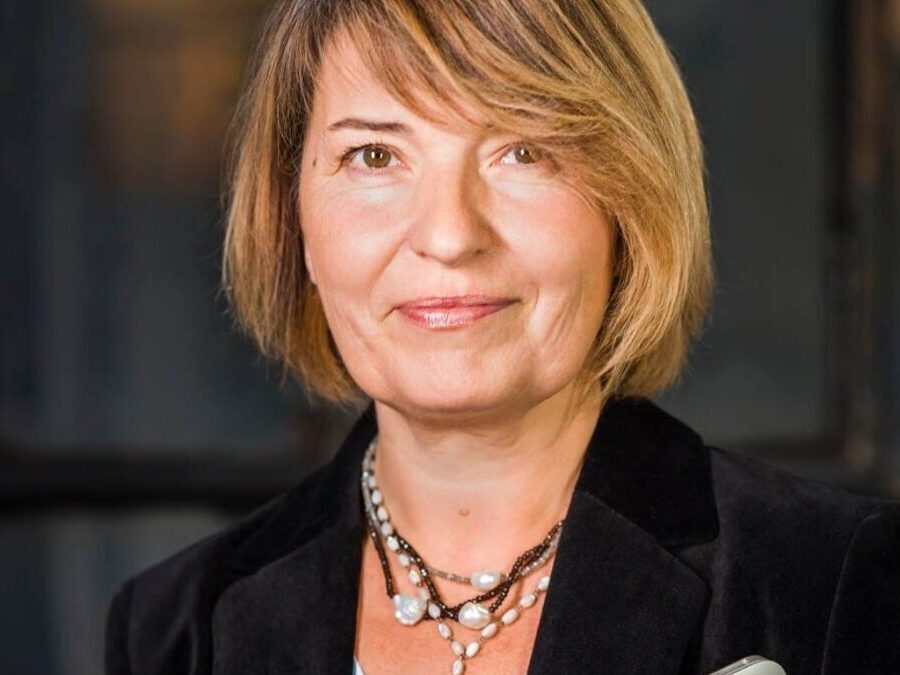
Minna Aslama Horowitz
Media research and platform policy
Biography: Minna Aslama Horowitz
Minna Aslama Horowitz is a Docent at the University of Helsinki, a researcher at the Nordic Observatory for Digital Media and Information Disorder (NORDIS), and a Fellow at St. John’s University, New York. She is also a member of the Think Tank of the Nordic Council of Ministers to address platformization in the Nordics. She holds a Ph.D. from the University of Helsinki and has taken part in several international research activities in the past decade.
Tanja Kerševan
Media and platform regulation
Biography: Tanja Kerševan
Tanja Kerševan is a Research Fellow and Assistant Professor at the University of Ljubljana. As a former media regulator and State Secretary for culture, media and film, her research focuses on media, audiovisual and digital platform policies and regulation. She currently serves as an independent member and co-drafting rapporteur of the Committee of Experts on Media Regulators in a Platform-Based Environment (MSI-eREG). Previously, she chaired the ERGA Subgroup on the Digital European Toolkit and contributed to Council of Europe expert committees on Internet intermediaries (MSI-NET) and artificial intelligence (MSI-AUT) as a member.
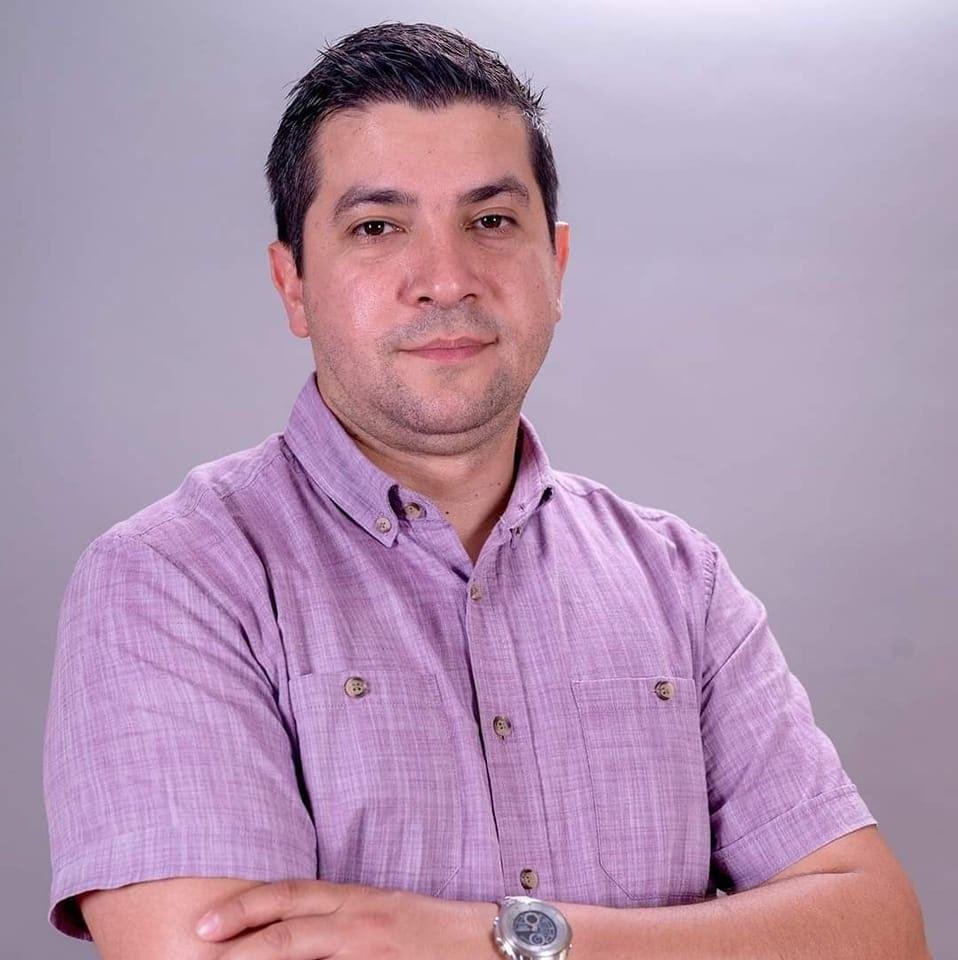
Aleksandar Manasiev
AI and newsroom innovation
Biography: Aleksandar Manasiev
Aleksandar Manasiev is an award-winning journalist and founder of NarativAI–Center for Media Innovation in the Balkans, based in Skopje, North Macedonia. With more than 20 years of experience across print, TV and digital media, his work today centers on supporting newsrooms in adapting to AI-driven transformation, with a strong emphasis on transparency, trust, and editorial responsibility. Through NarativAI, he develops practical frameworks, research, and training programs that help media organizations integrate AI into their workflows.

Attila Mong
Press freedom and journalism
Biography: Attila Mong
Attila Mong is a Hungarian-born journalist, radio broadcaster and columnist with more than 20 years of experience in news and investigative reporting. Now based in Berlin, Attila works as Europe representative of the global press freedom organization, the Committee to Protect Journalists (CPJ) and a consultant on digital innovation projects with the DW Akademie, Germany’s leading media development organization. He is a supervisory board member of Atlatszo, a crowdfunded investigative journalism platform in Hungary.
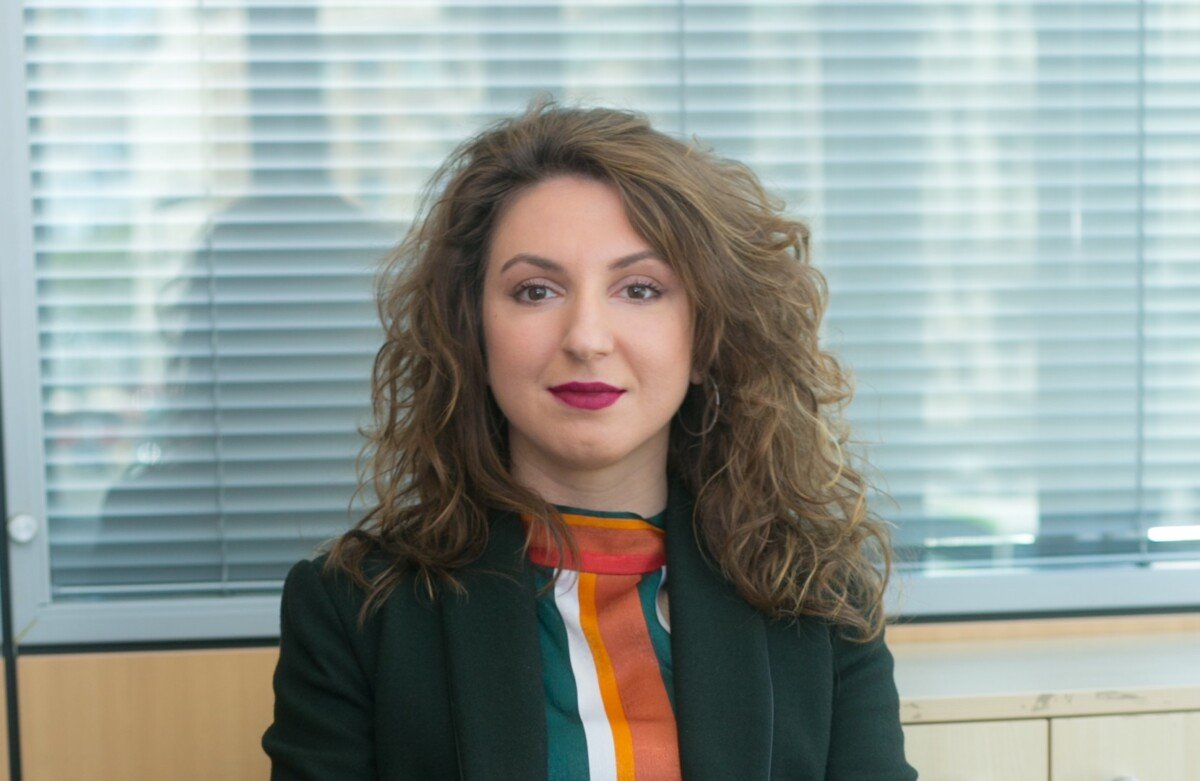
Adriana Mutu
Media regulation and elections
Biography: Adriana Mutu
Adriana Mutu is a University Professor in the Departments of Humanities and Market Research at ESIC Business & Marketing School in Barcelona, where she also serves as the Head of Academic Quality. She holds a Ph.D. in Political Science from the Autonomous University of Barcelona and a MA in Journalism and Communication Sciences from the University Alexandru Ioan Cuza of Iasi, Romania. She has conducted research at the University of Pennsylvania and the University of Helsinki. Adriana is founding member of MEDEA (Mediterranean Europe and Africa) and provides expertise to the Council of Europe and the European Commission.
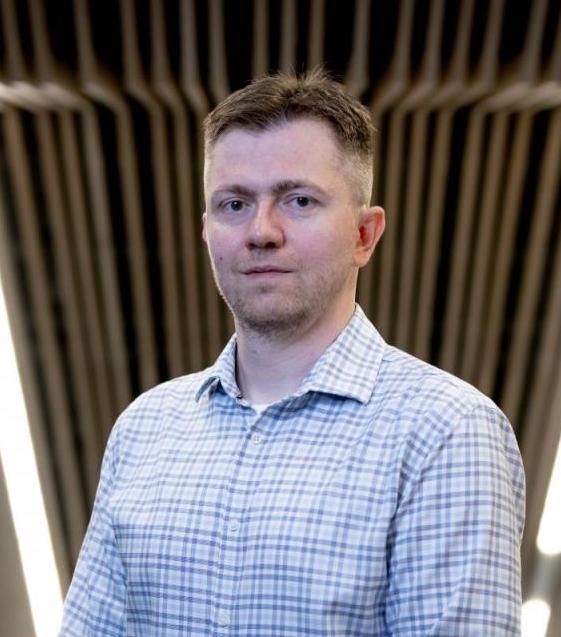
Robert Nemeth
Journalism and research
Biography: Robert Nemeth
Robert has a 15-year-long career in journalism, with diverse roles at different Hungarian TV stations and online media outlets, ranging from journalist to senior editor and news producer. He was also guest lecturer at the Department of Media and Communication at Eötvös Lóránd University (ELTE) in Budapest, Hungary. He actively participates in various research projects, including leading the MJRC’s collaborative project with Philea on producing the Journalism Funders Forum newsletter.
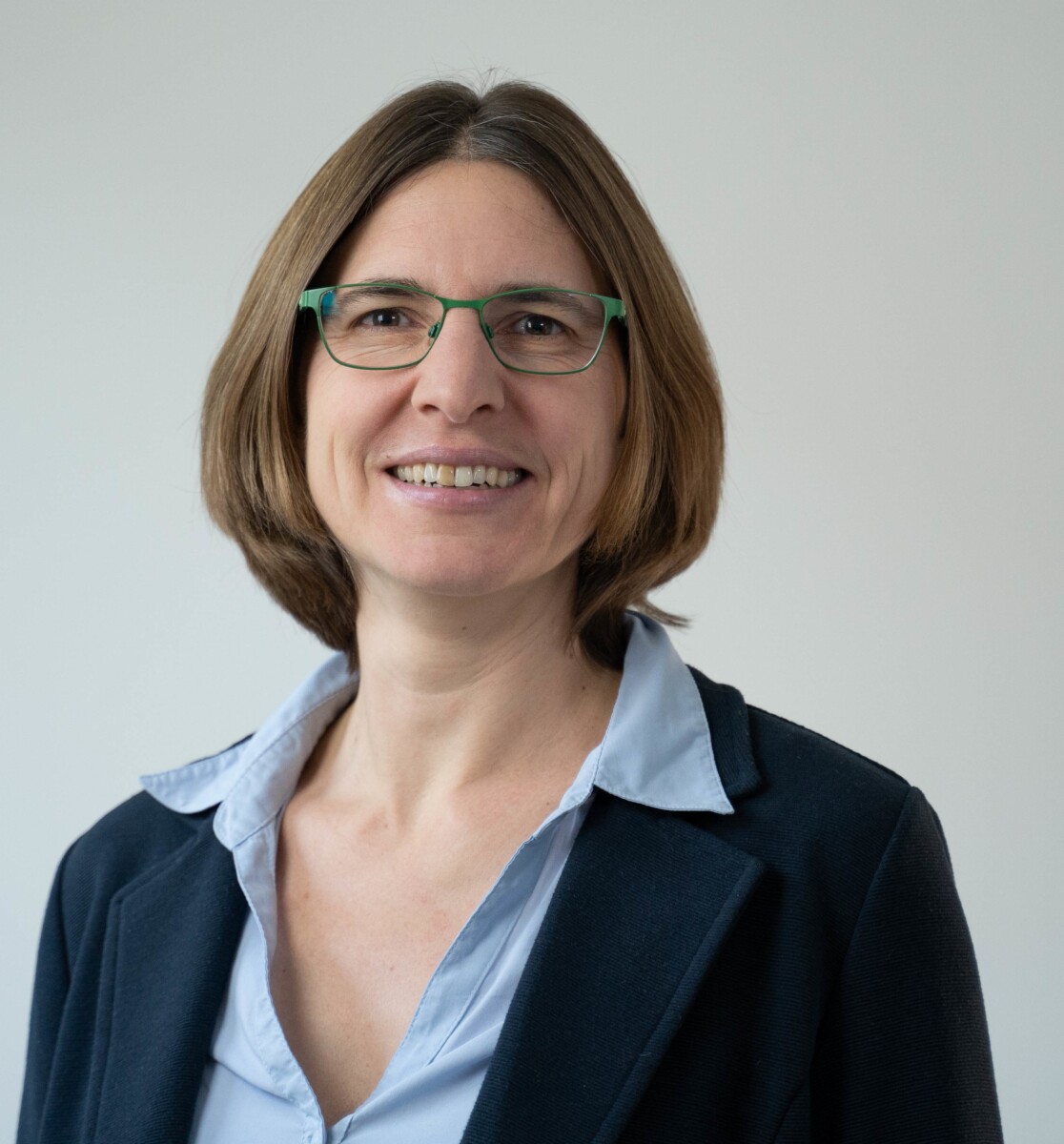
Judith Pies
Journalism and media literacy
Biography: Judith Pies
Judith Pies holds a PhD in communication science from the University of Erfurt. Her academic work since 2015 has included professorial roles in digital and international journalism at Hochschule der Medien Stuttgart, the University of Dortmund and Bundeswehr University Munich. She has long-standing experience in academic research, teaching, journalism and management of international media projects. In 2018, she founded the organization Media | Competence | International, which offers international media consultancy and training in media literacy.
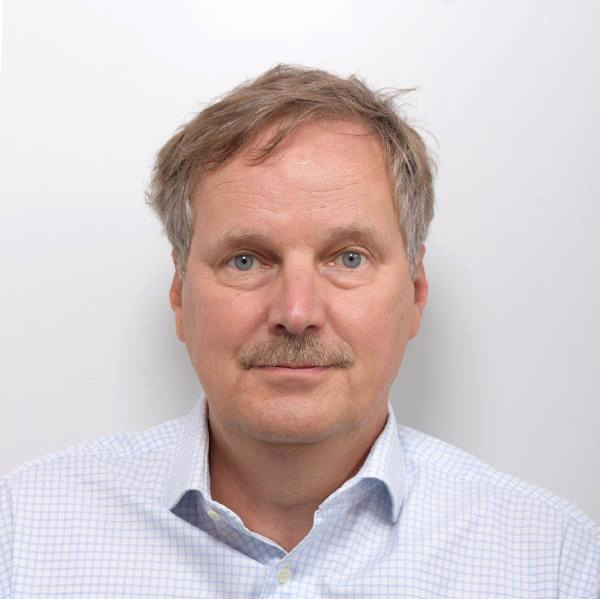
Andrei Richter
Media law and freedom of expression
Biography: Andrei Richter
Andrei Richter is Research Professor at Comenius University in Bratislava and Adjunct Professor of the Webster University in Vienna. In 2011-22 he served as Director and a Senior Adviser at the Office of the OSCE Representative on Freedom of the Media. An Austrian citizen, Richter holds university degrees in law, journalism and foreign languages, a doctorate of philology in Russia and a habilitated professorship in media studies from Slovakia.

Krisztina Rozgonyi
Media law and platform governance
Biography: Krisztina Rozgonyi
Dr Krisztina Rozgonyi is Senior Scientist at the Institute for Comparative Media and Communication Studies (CMC) of the Austrian Academy of Sciences (ÖAW) and a senior international media, telecommunication and IP legal and policy expert. She works with international and European organizations (such as the ITU/UN, UNESCO, Council of Europe, European Commission, World Bank InfoDev, OSCE and BBC MA), with national governments, and regulators as an adviser on media freedom, spectrum policy and digital platform governance.
Photo: Monika Saulich.
Collaboration
Partners and funding
Maharat Foundation
A Beirut-based organisation advancing freedom of expression through research, advocacy, media monitoring, training and support for quality information.
Legal Agenda
A socio-legal research, strategic litigation and advocacy organisation working on the rule of law, public freedoms and rights, alongside a specialist media outlet.
Media and Journalism Research Center
MJRC contributes comparative policy expertise, research design, mentoring and methodological guidance, connecting international experience with Lebanon’s reform priorities.
Funded by the European Union
The project is supported through the EU’s Global Europe: Neighbourhood, Development and International Cooperation Instrument (NDICI) (opens in a new tab).
The content of this page is the responsibility of the Media and Journalism Research Center and does not necessarily reflect the views of the European Union.