Seen and Unseen: New Study on Media Coverage of Humanitarian Crises and Conflict
The Media and Journalism Research Center (MJRC) has released the Humanitarian Crisis Coverage Report, a data-driven study examining how some of the world’s influential media cover ten of the world’s most severe humanitarian emergencies — from Sudan and Ethiopia to Ukraine and Gaza.
The study combines computational and qualitative media research, analysing 78,667 news articles drawn from leading English-language outlets in eight countries. Using a hybrid AI-assisted methodology validated by human experts, MJRC researchers applied automated content retrieval, semantic relevance filtering, and narrative framing analysis to assess how media visibility aligns with the real-world severity of humanitarian crises and conflict. The methodology achieved over 93% validation accuracy in AI-assisted classification and offers a scalable, ethically grounded model for future crisis-coverage studies.
Key findings reveal deep structural imbalances in how suffering is represented across the global media landscape. Crises in Gaza and Ukraine dominate coverage, averaging 58.5 and 19.4 articles per day, respectively, while protracted emergencies in countries such as Chad (0.06 articles/day) and the Democratic Republic of Congo (1.5 articles/day) receive minimal sustained attention — despite affecting tens of millions more people. The study also finds that media attention often correlates with geopolitical significance rather than humanitarian need, highlighting entrenched hierarchies in international journalism.
The study drew on a sample of 49 influential media outlets across eight countries, the vast majority of which are based in the Western media ecosystem, primarily in the United States, the United Kingdom, Canada, and Australia. To broaden the geopolitical and editorial spectrum, three additional outlets, RT (Russia), Al Jazeera English (Qatar), and IRNA (Iran), were included as non-Western comparators. This mix of public, private, and state-owned media enabled researchers to examine how differing ownership models, national interests, and editorial agendas shape which crises capture global attention and which remain overlooked.
The Humanitarian Crisis Coverage Report is part of MJRC’s Media Content Analysis Series, which integrates AI tools with critical media research to expose global trends in bias, framing, and editorial visibility.
Read the study here.
See our content analysis page.
The datasets generated through this project are available on the Media and Journalism Exchange platform. To access them, please register here.
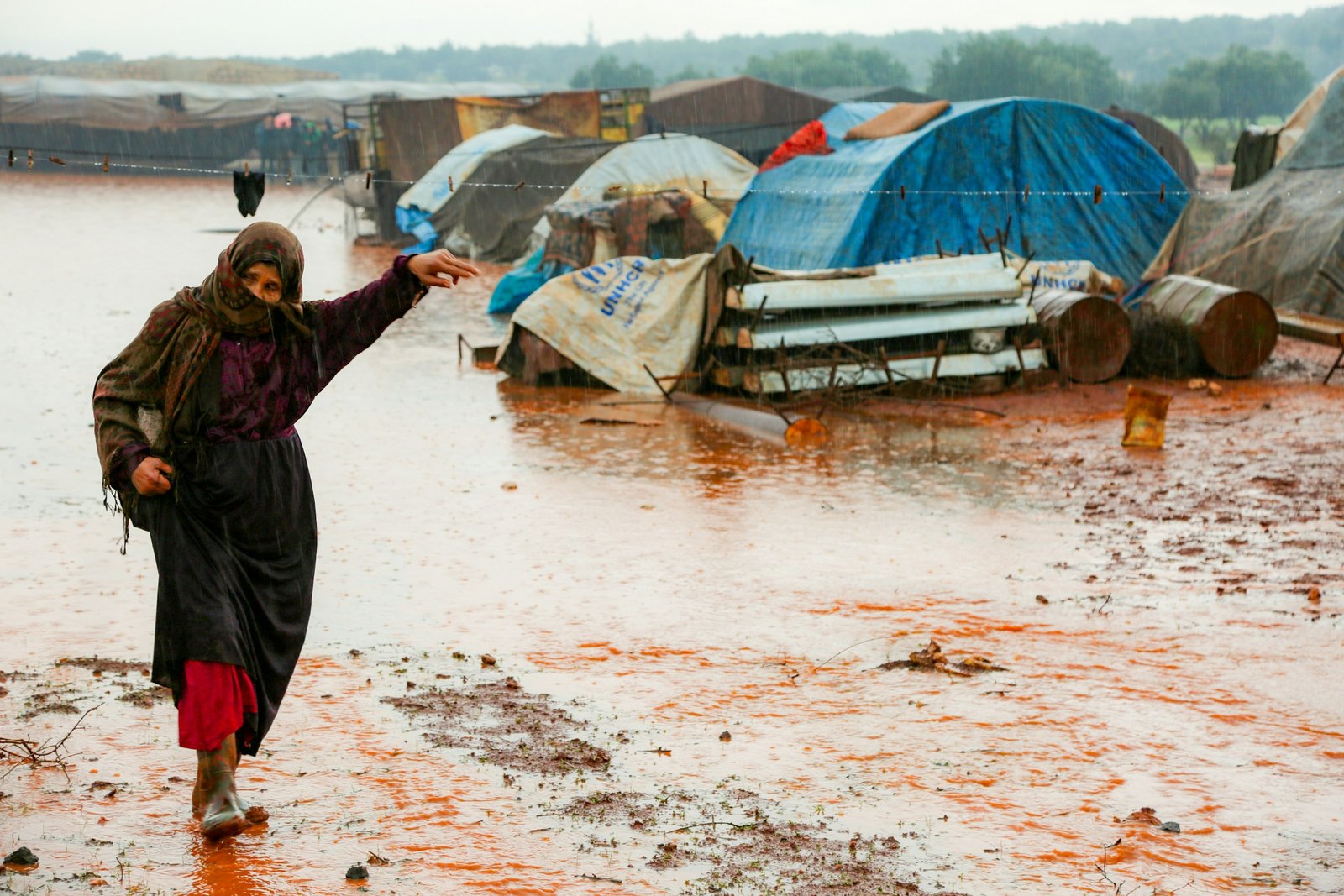
Photo by Salah Darwish on Unsplash
Invest in independent media research and join a community of practice.
MJRC takes no government money — so the questions we chase are set by the field, not by a funder. A contribution keeps our research and global analysis independent, and buys you a seat closer to the work: early access to new findings, invitations to small-group briefings, a place in our Supporters Circle, and the option to be listed on our Supporters Page.